Marina System Ibérica (MSI)

BIM in Port Infrastructure

Connected data for more efficient design, construction, and operation

MSI integrates BIM methodology as part of its digital transformation process to provide engineering firms, port authorities, and construction companies with structured, reliable technical information that is ready for use in projects. Our approach allows us to incorporate our systems directly into digital models, improve coordination among stakeholders, and increase the value of the asset throughout its entire lifecycle.

We use BIM to streamline the specification process, optimize planning, and ensure traceability from design through to operation, thereby strengthening our position as a technology partner in the port sector.

What is BIM and why is it essential in the port sector?
GREATER ACCURACY

What is BIM and why is it essential in the port sector?

The port environment requires solutions that offer a high level of coordination, durability, and document control. BIM enables teams to work on a shared digital model where all relevant information is centralized and accessible to the various project stakeholders.

This translates to less uncertainty during the design phase, greater precision in system integration, and more efficient asset management once the system is operational. In the context of port digitalization, having structured and traceable data is no longer an advantage but a requirement for developing more efficient and sustainable infrastructure. 

DIGITAL MODELS

MSI's BIM Solution

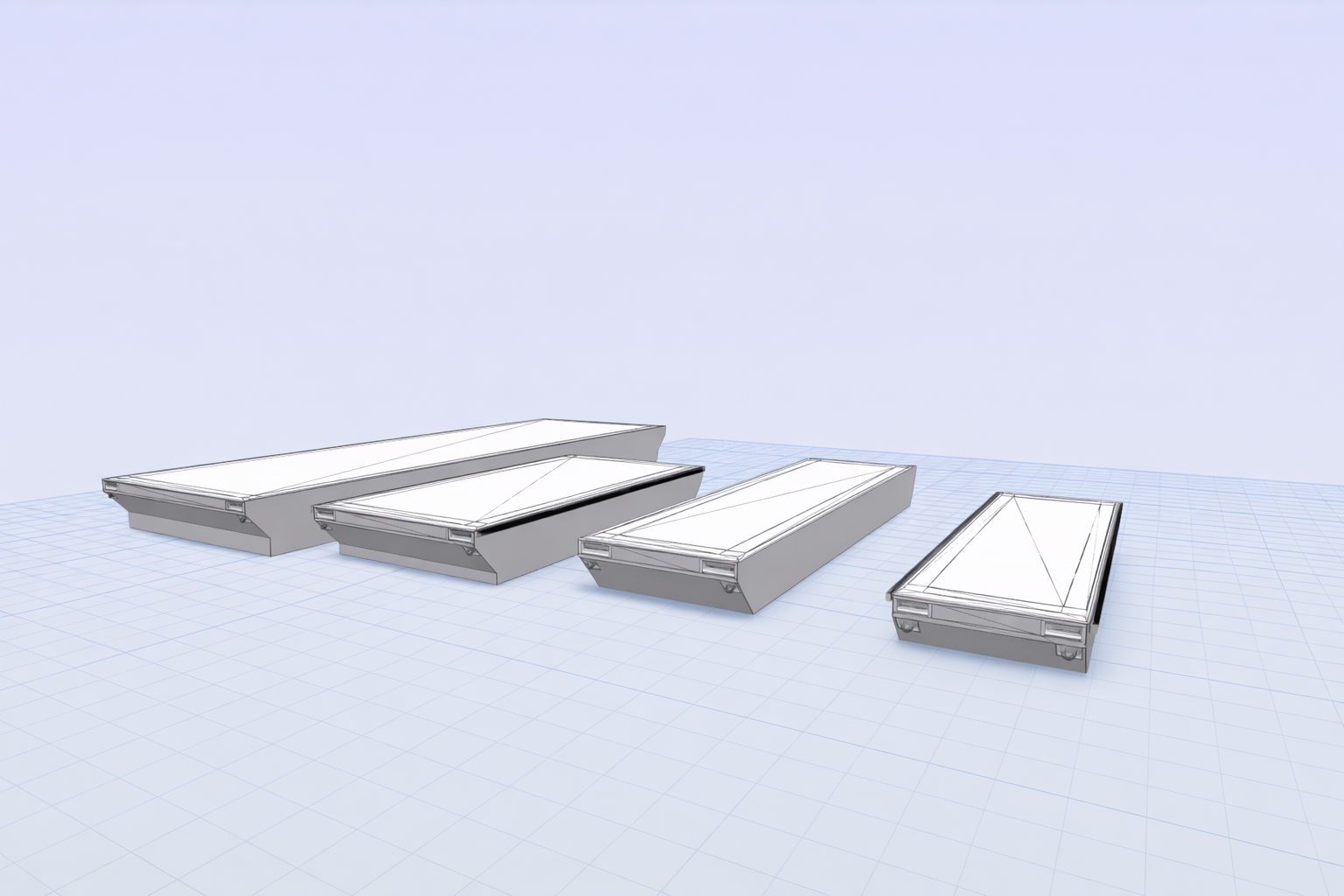
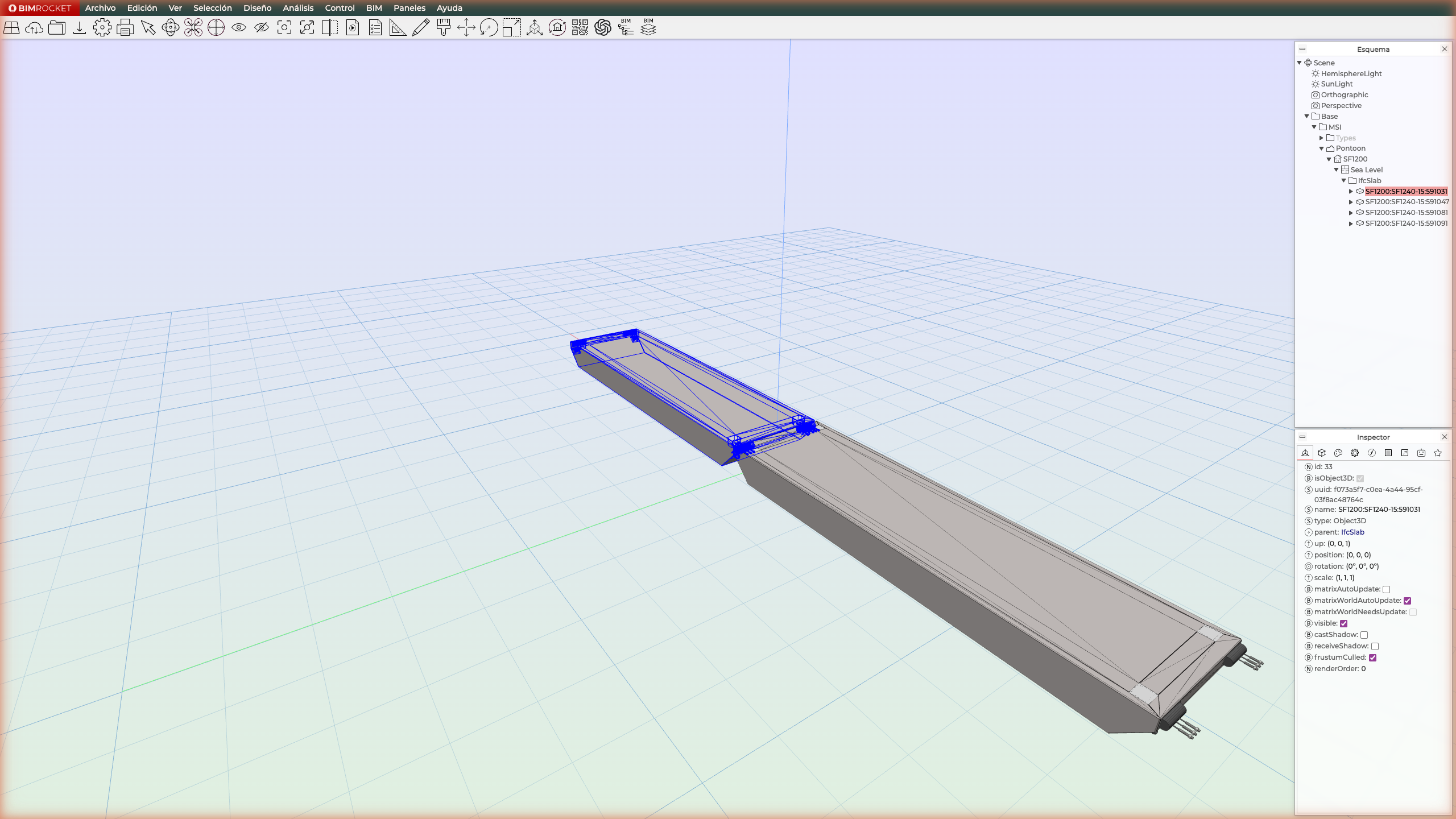
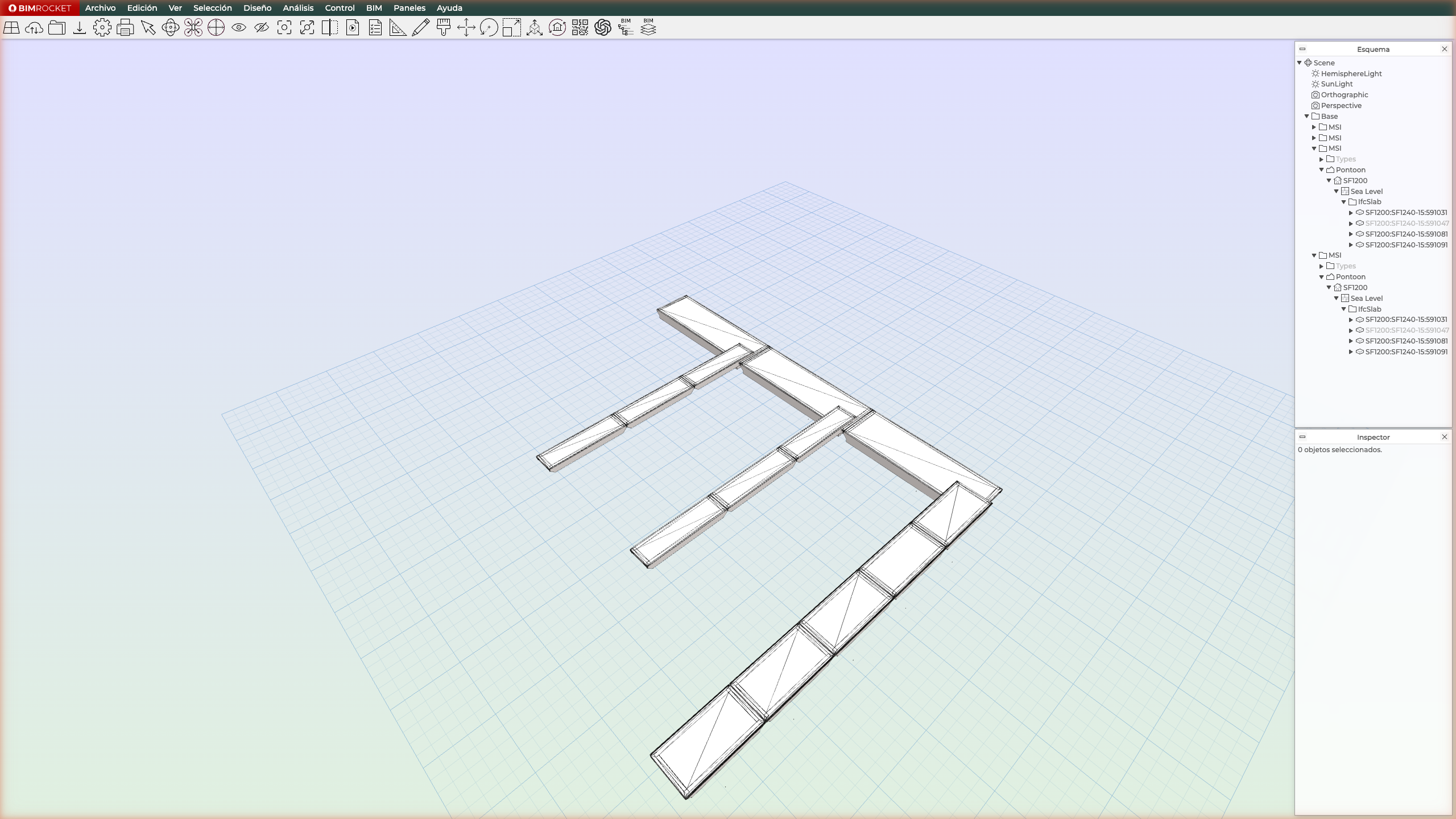
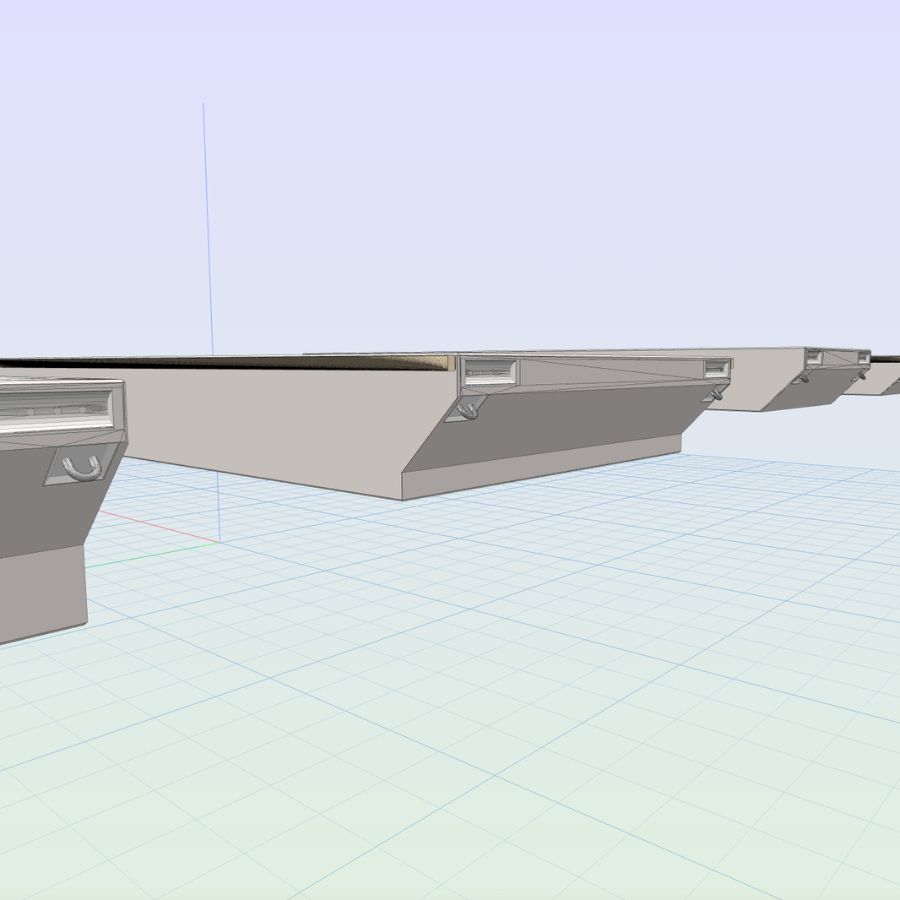
MSI develops digital models of its solutions for the port sector so that they can be directly integrated into engineering projects. This work is carried out in collaboration with the Polytechnic University of Catalonia and the specialized firm COLOMA+ARMENGOL, ensuring the highest technical quality, data consistency, and information structuring aligned with BIM standards.

In this way, we turn product information into a sales and technical tool that facilitates decision-making from the earliest stages of the project.

Our offering adds value to:

01.

Engineering firms that need accurate BIM models to confidently define and specify solutions.

02.

Construction companies that require coordination between modeling, fabrication, and assembly.

03.

Port authorities and operators seeking assets with greater control and traceability.

BIM in Port Infrastructure
BIM

Standardization of BIM data and objects

Creating BIM objects for our systems provides reusable models with defined levels of detail and structured, accessible technical data. This ensures interoperability across platforms and eliminates errors resulting from incomplete interpretations of the documentation.

The development of digital twins for products facilitates asset management over time, providing access to reliable information for maintenance, component replacement, and future upgrades.

For design teams, working with standardized information means integrating solutions more quickly, reducing issues, and ensuring project consistency.

Common Data Environment (CDE) and Collaborative Work

MSI has implemented a shared data environment that connects internal teams with clients and partners through a single information flow. All project documentation is managed centrally, with version control and change tracking.

This environment improves coordination across disciplines, enables the anticipation of issues, and provides real-time visibility into production status and scheduling. The result is fewer errors, more efficient communication, and more reliable execution.

WE ARE DRIVING THE DIGITAL TRANSITION IN THE SECTOR

Benefits for customers and the impact on the sector’s digital transformation

The integration of BIM methodology into MSI adds value at every stage of a port project’s lifecycle. Starting with the design phase, our BIM objects enable us to specify solutions with comprehensive technical information directly integrated into the digital model. During the construction phase, coordination in collaborative environments improves planning, reduces conflicts, and ensures consistency between the model and the final built product.

During operation and maintenance, the availability of structured data facilitates more efficient asset management, providing immediate access to the information needed for technical and strategic decision-making.

This approach not only optimizes each project but is also part of a comprehensive strategy aimed at driving the digital transformation of the port sector through product and technical information. The availability of high-quality BIM content strengthens the adoption of our solutions in domestic and international projects, builds trust among clients and partners, and positions MSI as an innovative industrial company, ready to embrace new infrastructure management models and the challenges of the future.
BIM in Port Infrastructure