Safety and signage in accordance with international standards

Marine Buoys

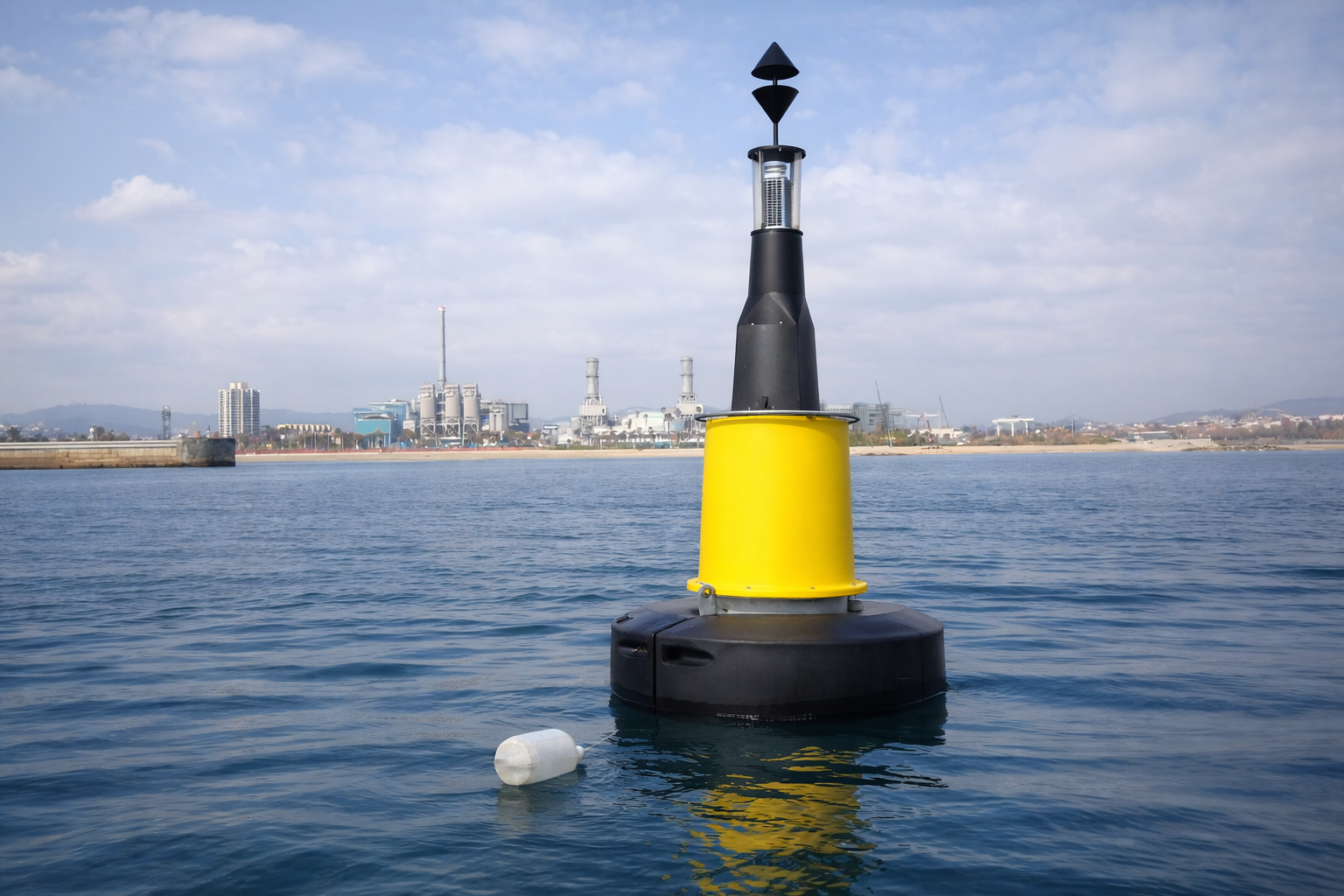
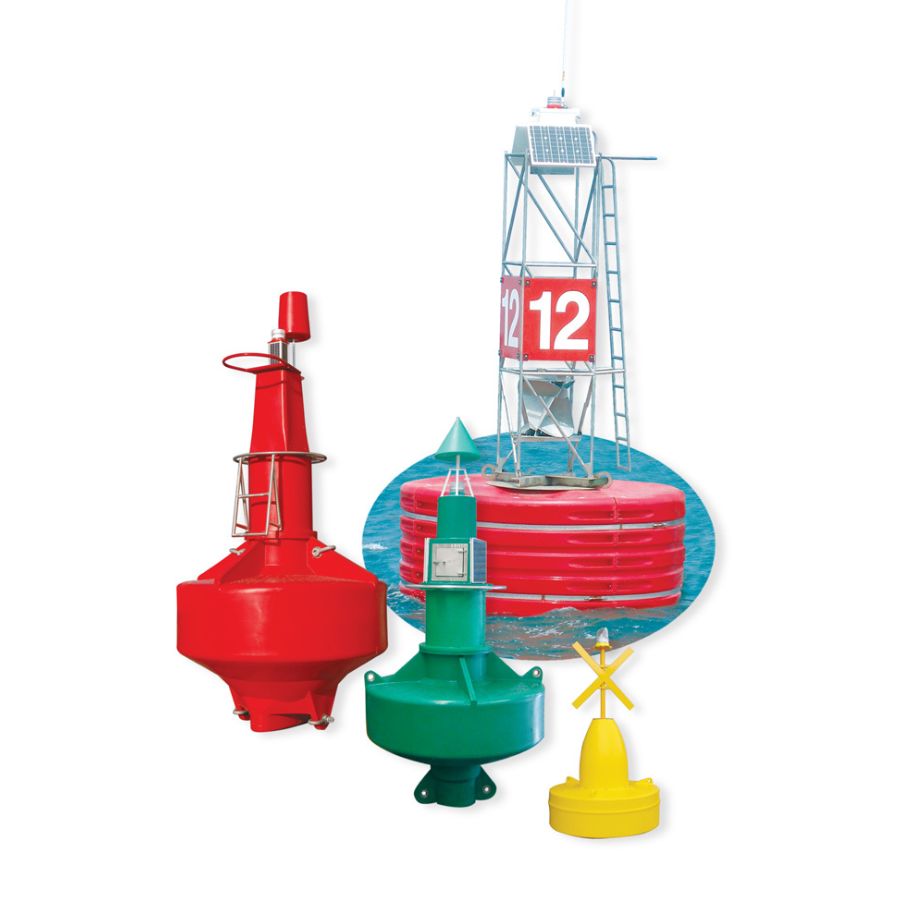
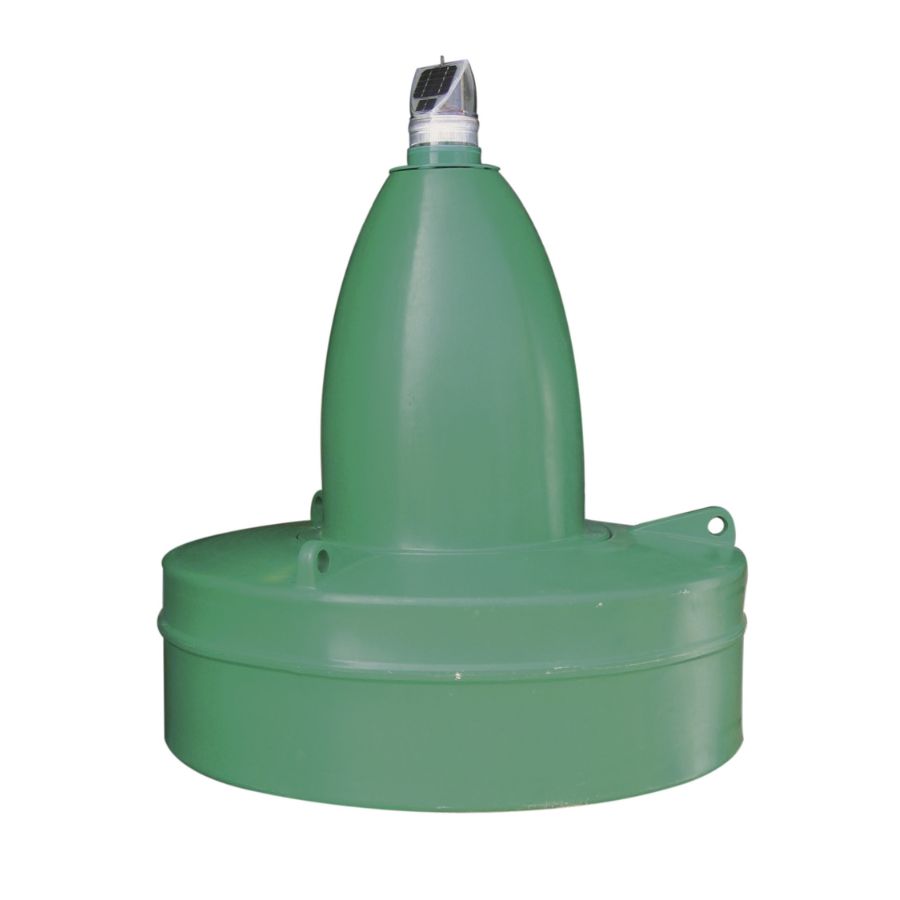
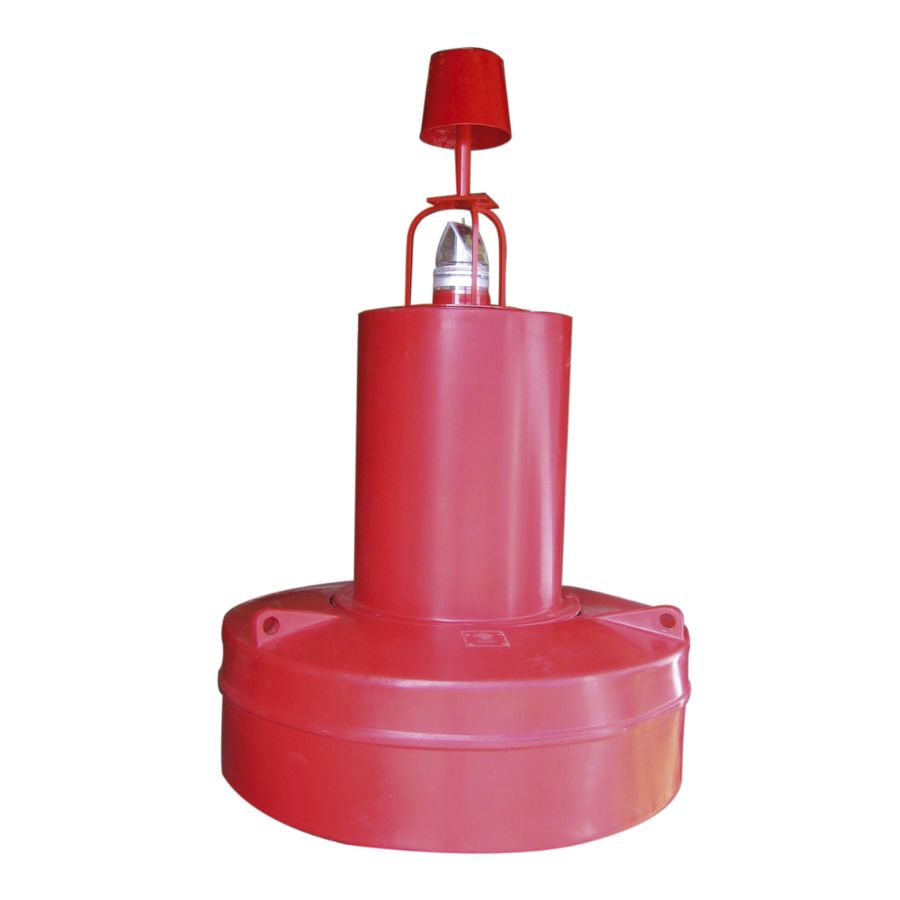
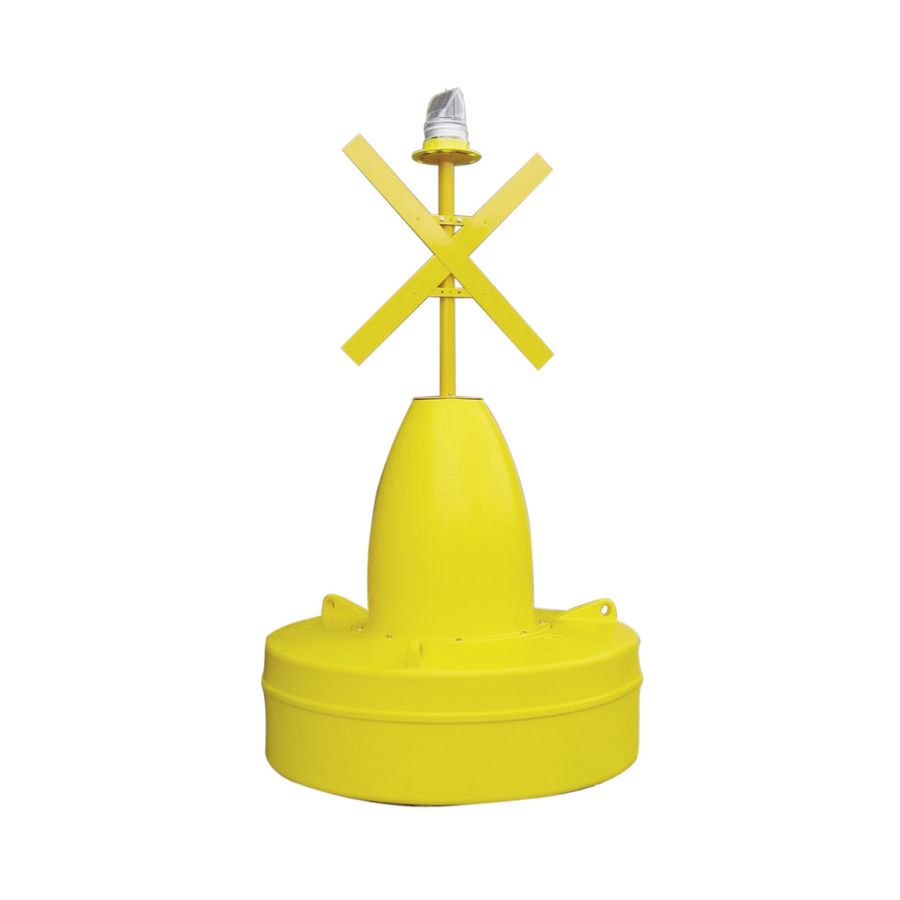
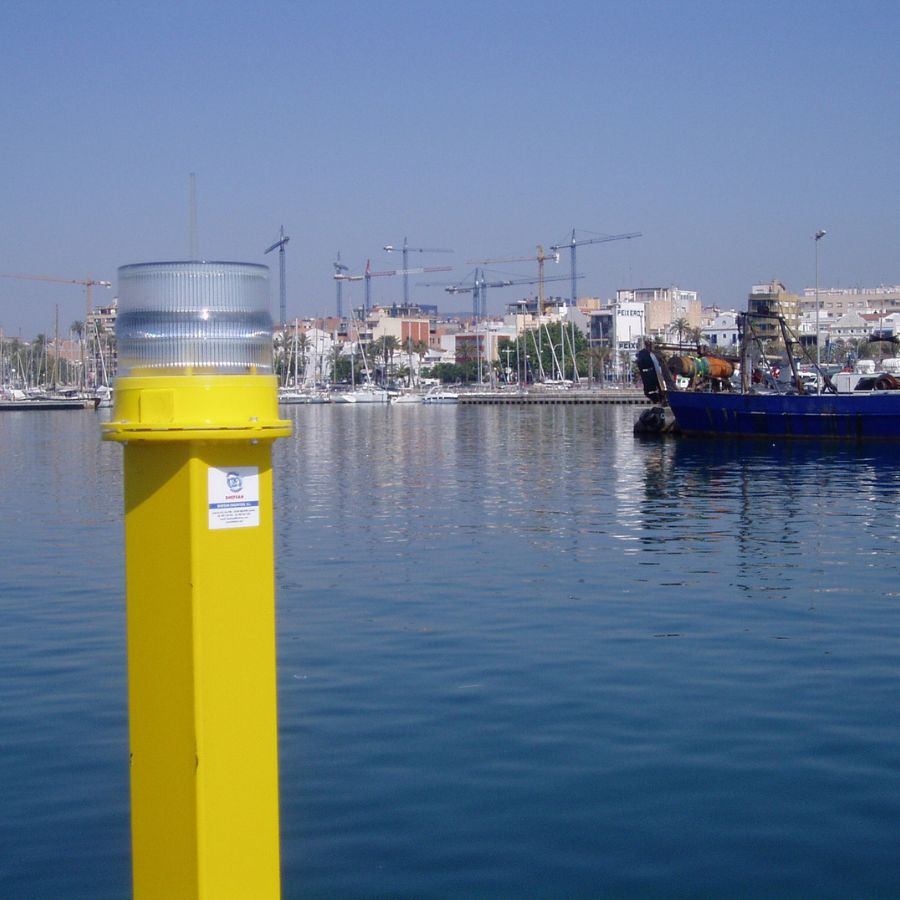
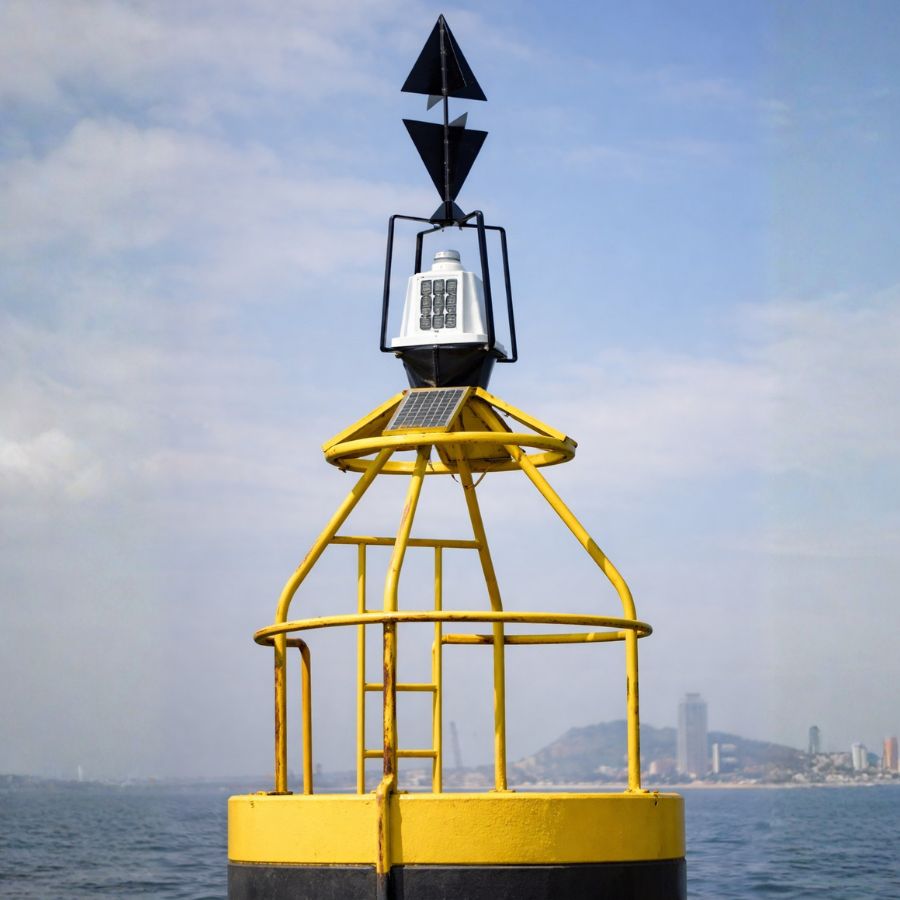
Marine buoys are used to mark navigation channels, port entrances, maneuvering zones, and hazardous areas, ensuring safe navigation both day and night.

These systems are designed in accordance with the regulations of the IALA (International Association of Marine Aids to Navigation and Lighthouse Authorities).

Safety and signage in accordance with international standards for maritime navigation aids

Main function

Ensure safe navigation through clear and standardized signage for channels, access points, and hazardous areas, in accordance with international regulations.

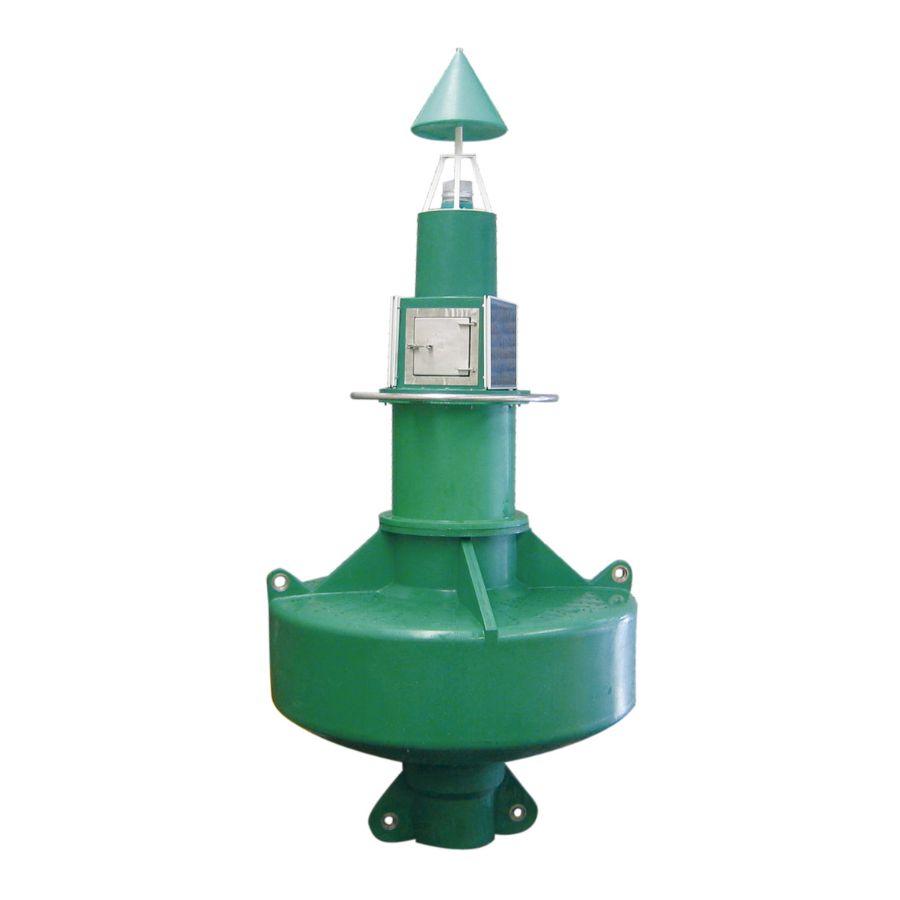
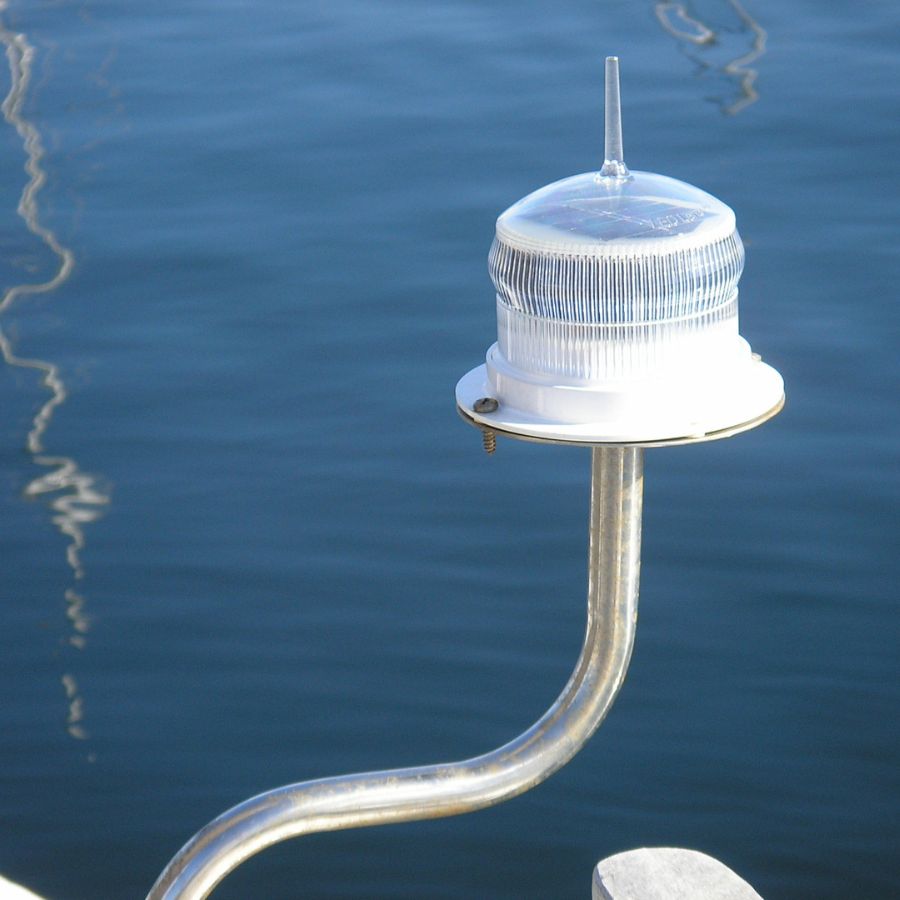
Marine navigation aids consist of floating systems and light signals designed to provide reliable visual references both day and night. These aids to navigation enable vessels to identify safe routes, channel boundaries, obstacles, and restricted areas, facilitating a correct interpretation of the marine environment.

Its design is based on IALA standards, ensuring consistent, recognizable signage that is tailored to each operational context, including in conditions of reduced visibility or heavy traffic.

Wayfinding systems are used in a wide range of settings where safety and navigation are critical:

  • Access channels to ports and harbors.
  • Maneuvering, berthing, and port transit areas.
  • Marking of low-lying areas, obstacles, or hazardous areas.
  • Signage for restricted areas, safety zones, or areas designated for specific uses.

Marine navigation aids must be adapted to the specific conditions of each environment:

  • Installation in areas with varying levels of exposure to waves, currents, and wind.
  • Sizing of the mooring system based on depth, sea conditions, and position.
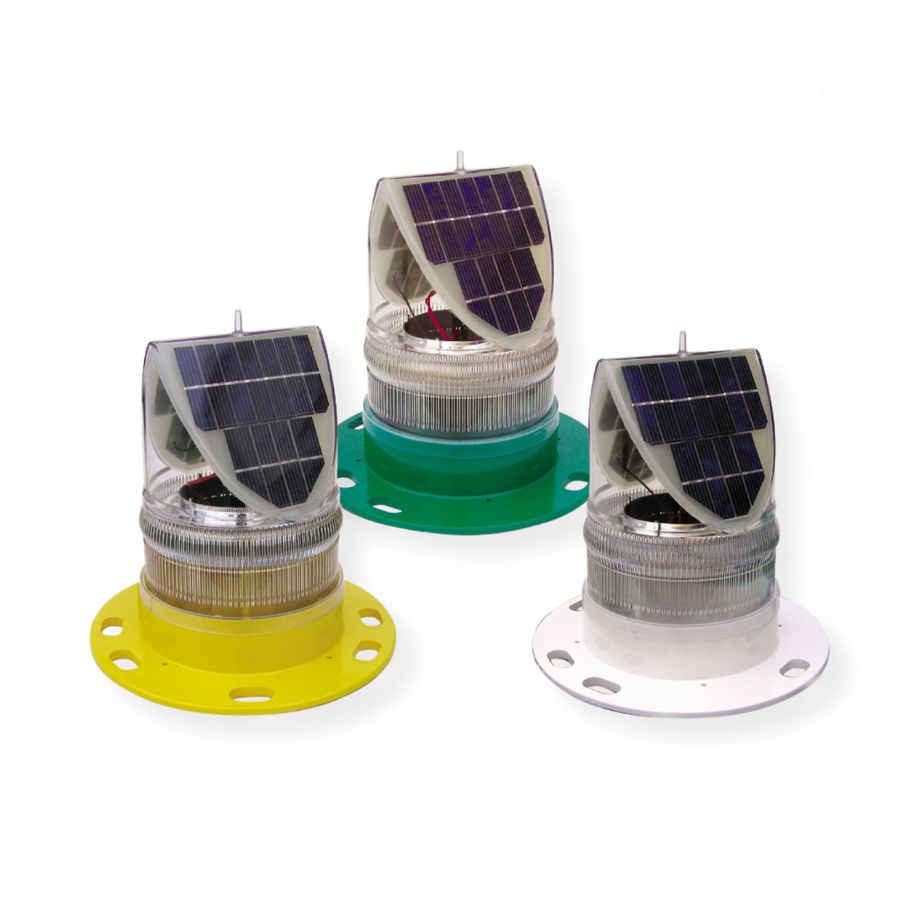
  • Selection of lighting characteristics in accordance with IALA regulations and visibility conditions.
  • Integration with existing systems and scheduling of routine maintenance.

  • Significant improvement in navigation safety and reduction of operational risks.
  • Clear, standardized signage that is easy for travelers to understand.
  • Compatibility with existing navigation assistance systems.
  • Compliance with international standards (IALA), ensuring consistency and reliability.
  • High visibility and effective performance in adverse conditions or low-light environments.

Request a technical study on maritime navigation aids