Stability and durability in port environments

Concrete Marshes

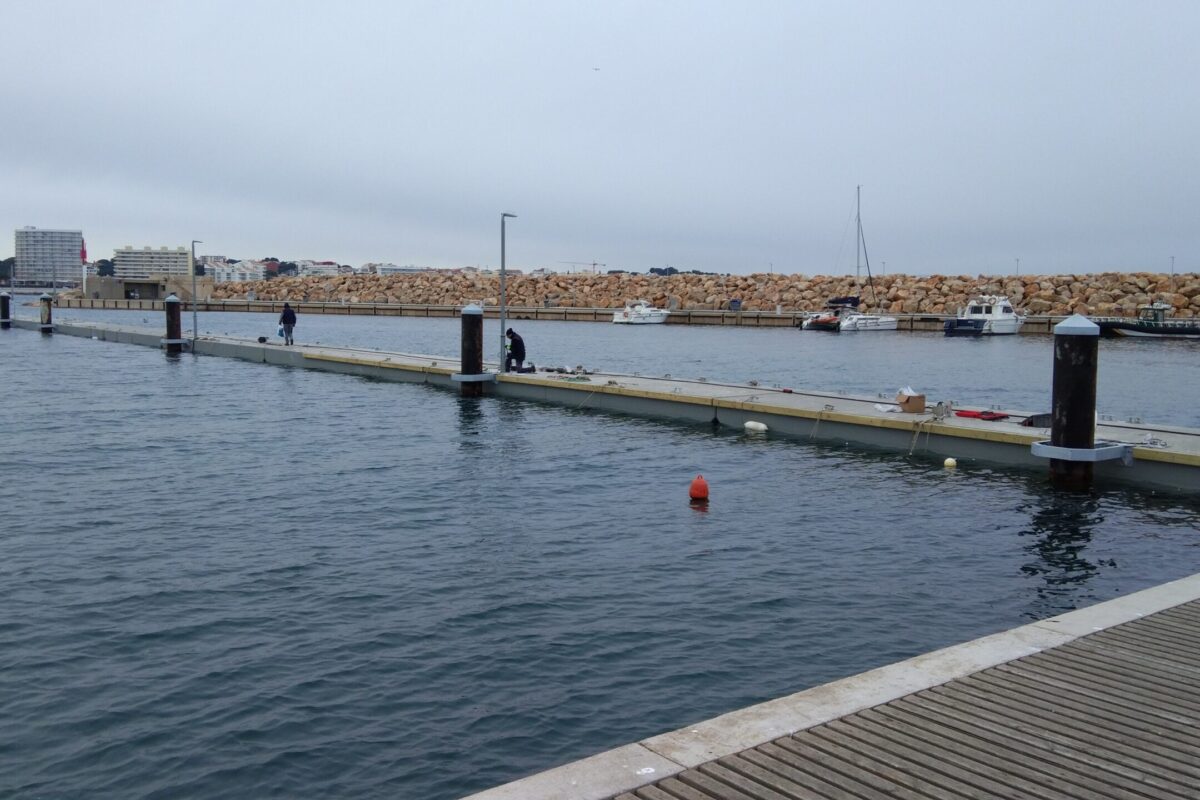
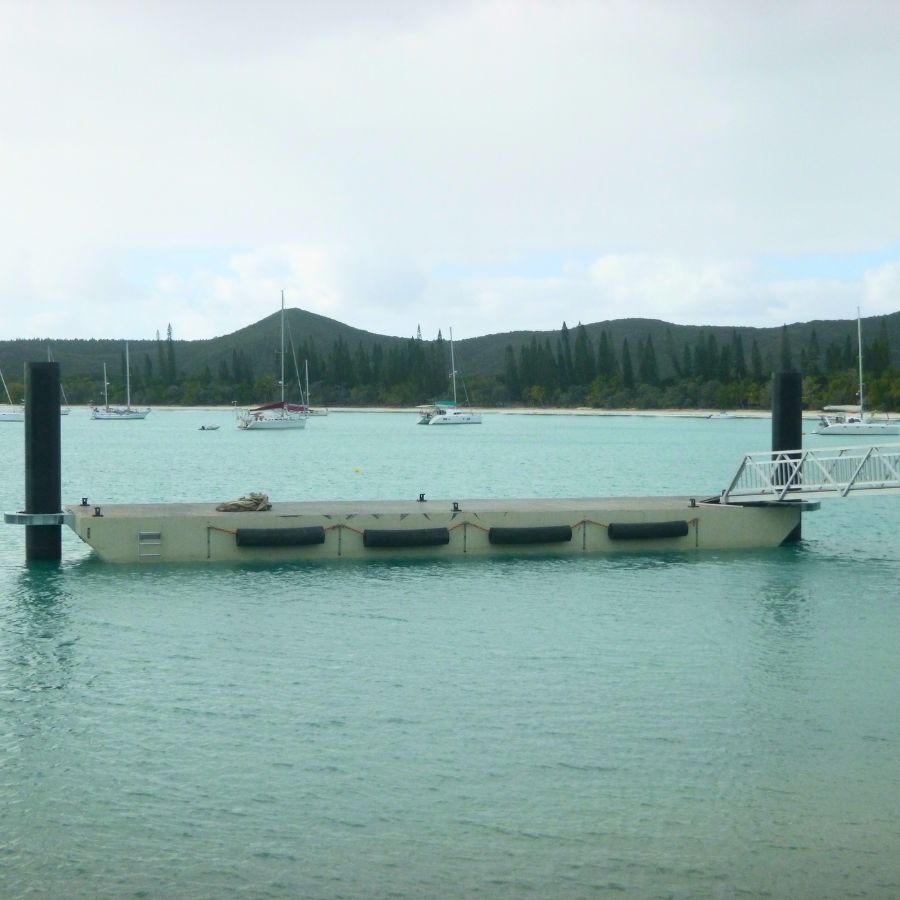
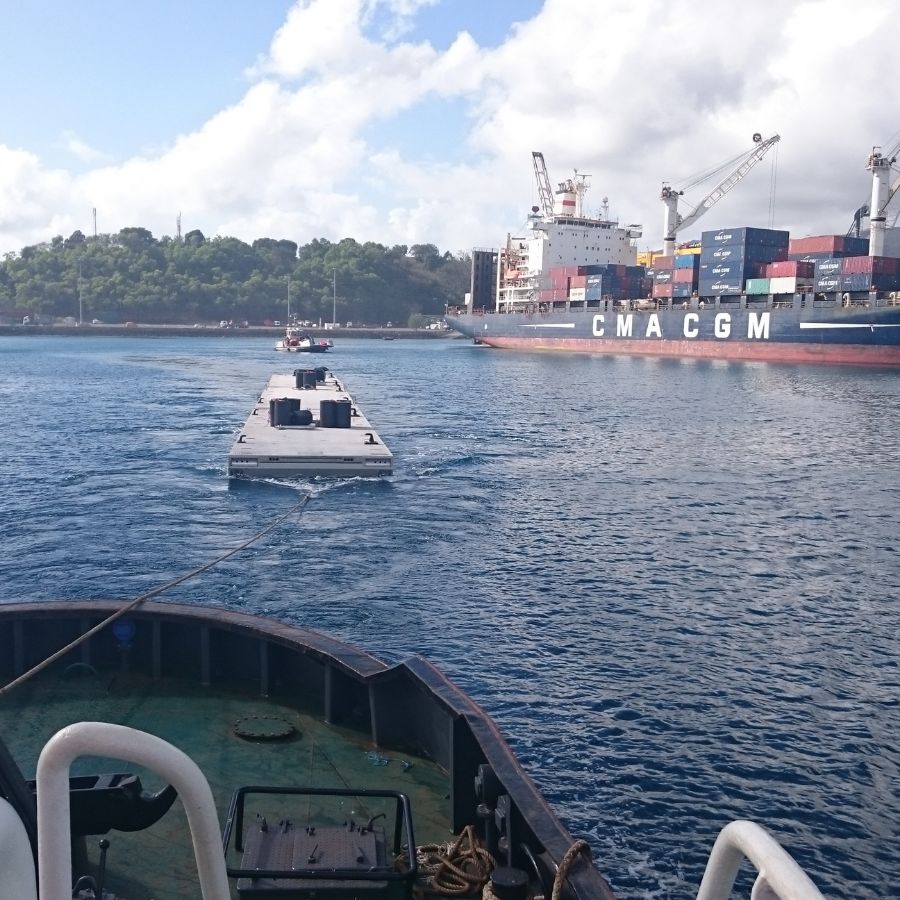
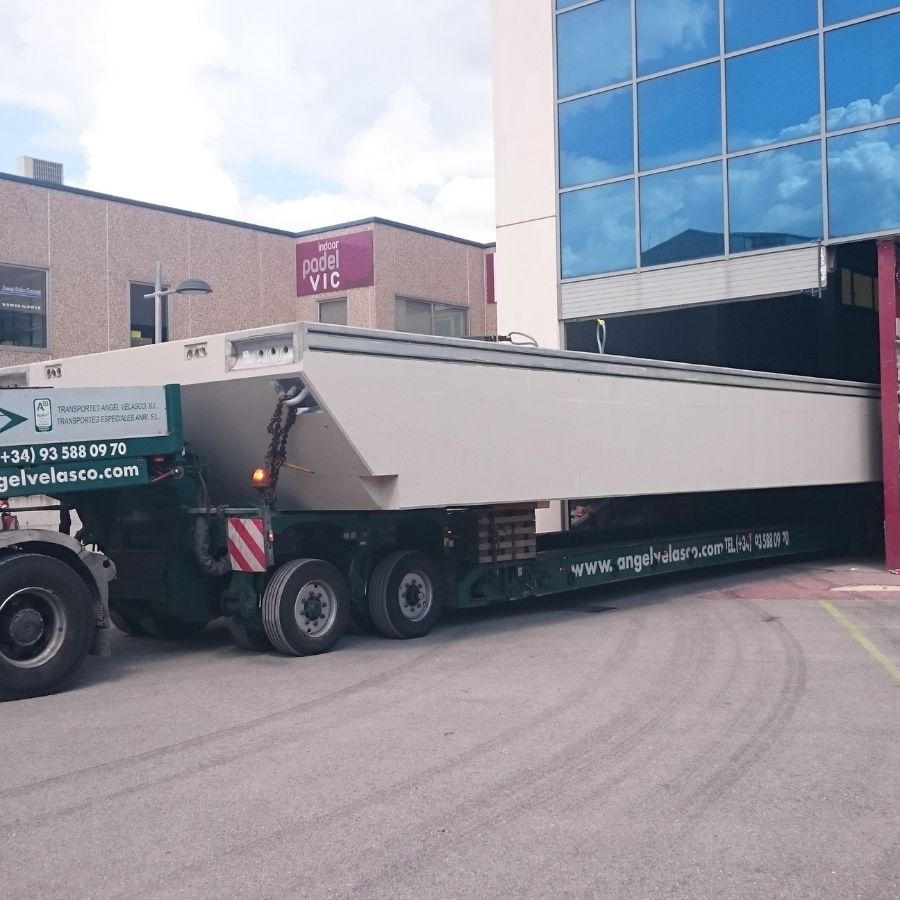
Floating concrete pontoons are used for mooring boats in sheltered or semi-sheltered harbors, offering greater stability and structural strength compared to lighter solutions.

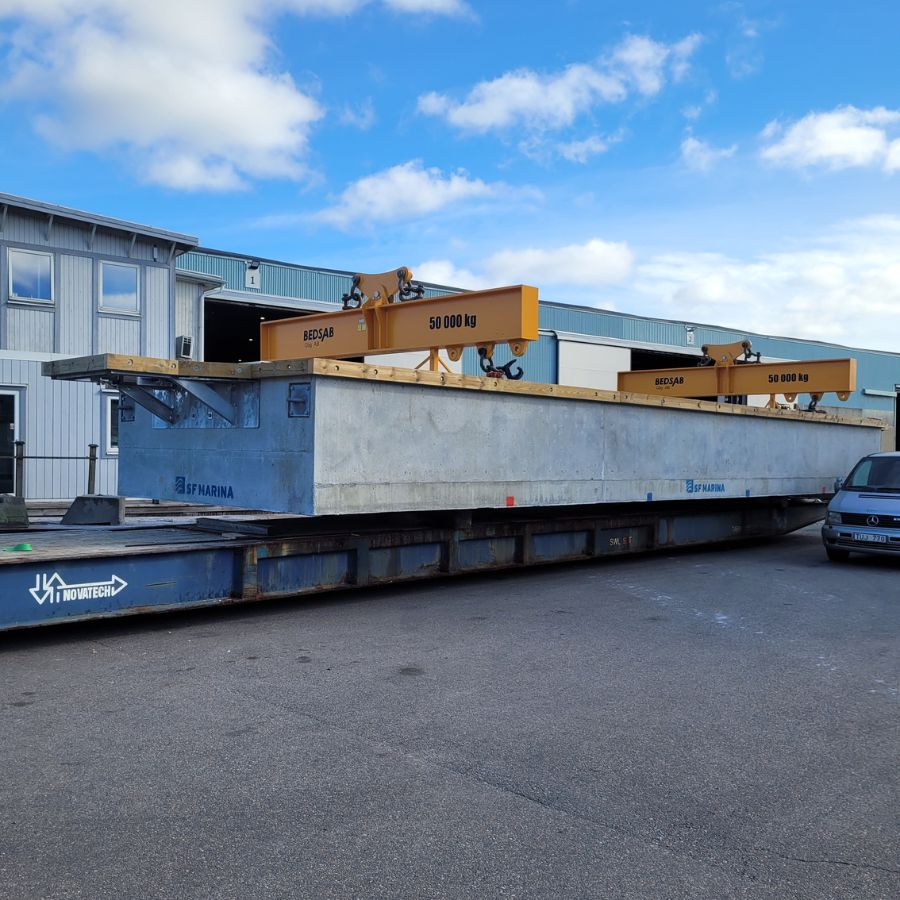
Thanks to their substantial weight and rugged construction, they are particularly well-suited for large vessels, commercial fleets, and heavy-duty applications.

Main function: To provide a stable and durable platform for mooring boats.

Main function

To provide a stable and durable platform for mooring boats.

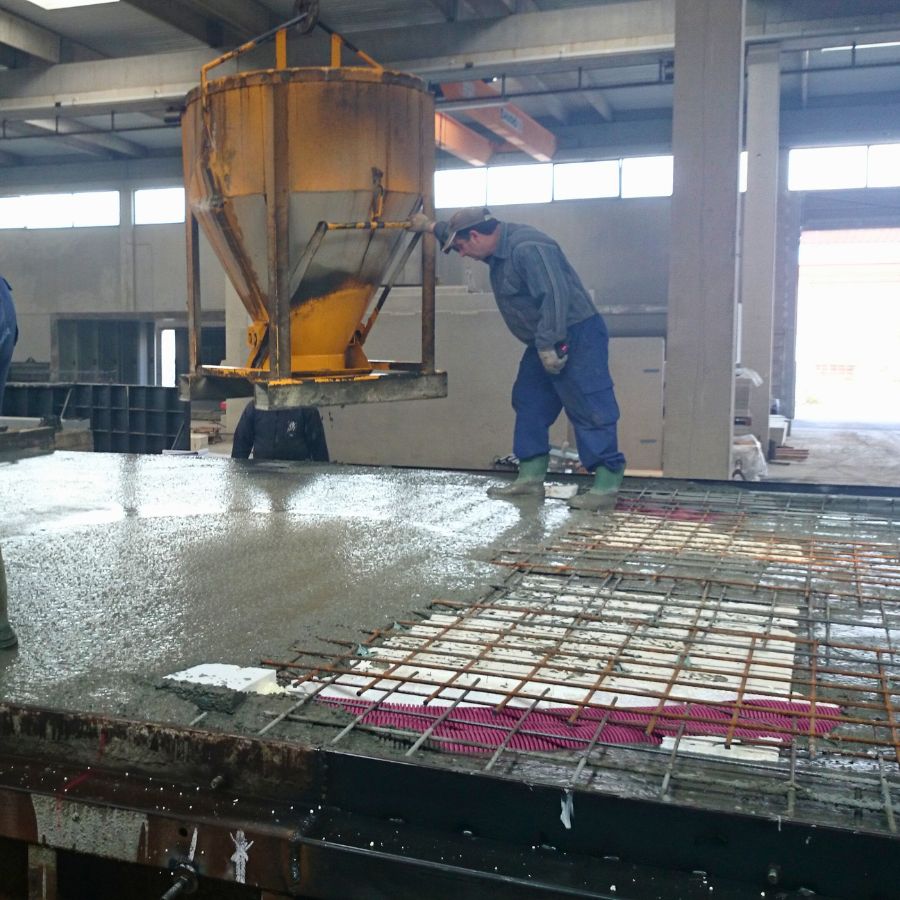
Unlike metal, aluminum, or plastic docks, concrete docks offer more stable structural performance in the face of water turbulence, thanks to their greater mass and inertia. This stability translates into greater user comfort, increased safety during mooring operations, and reduced relative movement between modules. Furthermore, their design allows for the integration of utilities and services—such as piping, electrical systems, or water supply lines—directly into their structure, facilitating maintenance and improving the overall durability of the structure.

Depending on environmental conditions and project requirements, they can be installed using different systems:

  • Anchoring with chains
  • Elastic systems
  • Pile-supported
  • Parallel spring-loaded or breakwater-type shock-absorbing arms
Concrete piers are a versatile solution suitable for a wide variety of port environments and applications, especially in demanding conditions or where high operational loads are involved:

  • Marinas, where stability, durability, and the efficient integration of services for recreational boats are essential.
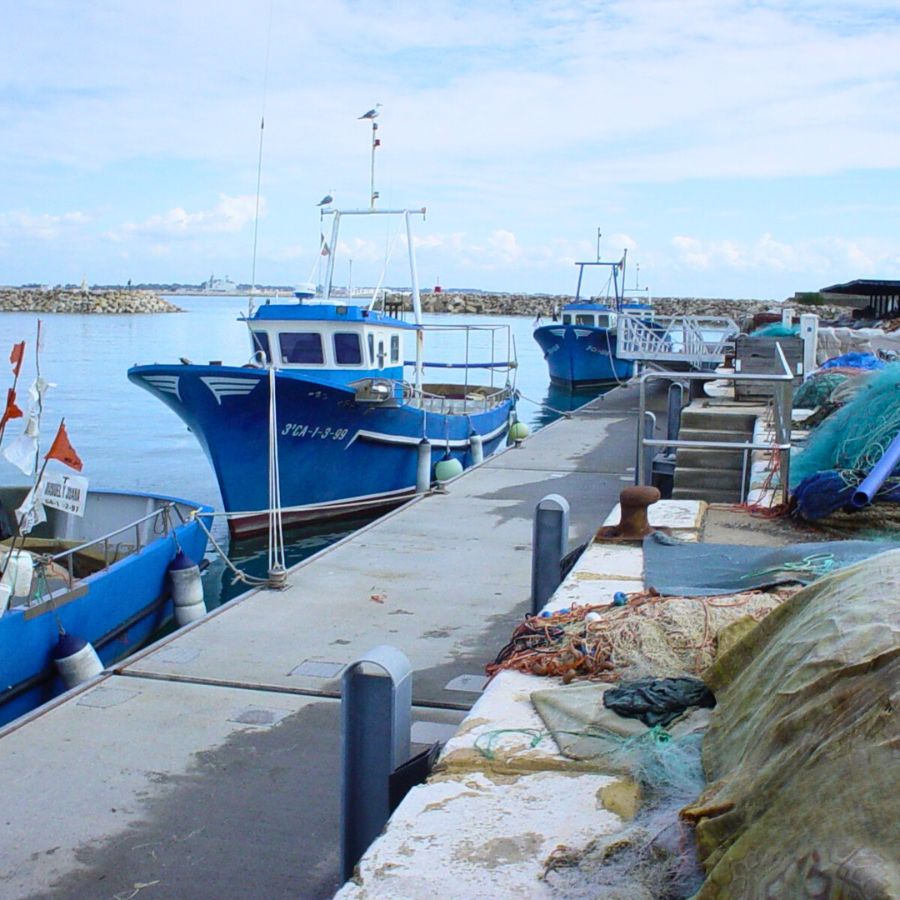
  • Fishing ports, designed for heavy-duty use and continuous operation.
  • Commercial docks, where structural strength and long-term reliability must be ensured.
  • Mooring of large vessels, such as superyachts, tugboats, ferries, and workboats, which require robust, stable, and safe infrastructure.

Concrete pontoons are particularly well-suited for protected or semi-protected port environments, where they can fully realize their structural and functional potential:

  • Suitable for areas with residual swell but no direct exposure to significant waves, ensuring stability and comfort during use.
  • They require advance planning for the installations and piping (electricity, water, data, etc.), as these are integrated into the structure of the dock itself.
  • The mooring system must be specifically designed based on environmental conditions (wave action, tidal range, currents) and the intended use, ensuring the infrastructure’s safe and long-lasting performance.

  • Greater stability in rough waters, improving user comfort and safety during mooring operations.
  • Integration of utilities within the dock itself (electricity, water, data), streamlining operations and reducing the need for external interventions.
  • Reduced surface maintenance thanks to the durability of concrete in harsh marine environments.
  • Greater resilience to climate change compared to traditional fixed piers, especially in the face of sea-level fluctuations and extreme weather events.
  • High load-bearing capacity, suitable for larger boats or heavy-duty use.
  • Longer infrastructure lifespan, with less degradation due to impacts, corrosion, or structural fatigue.

Request a technical study of concrete slabs