Floating platforms for offshore operations

Offshore Platforms

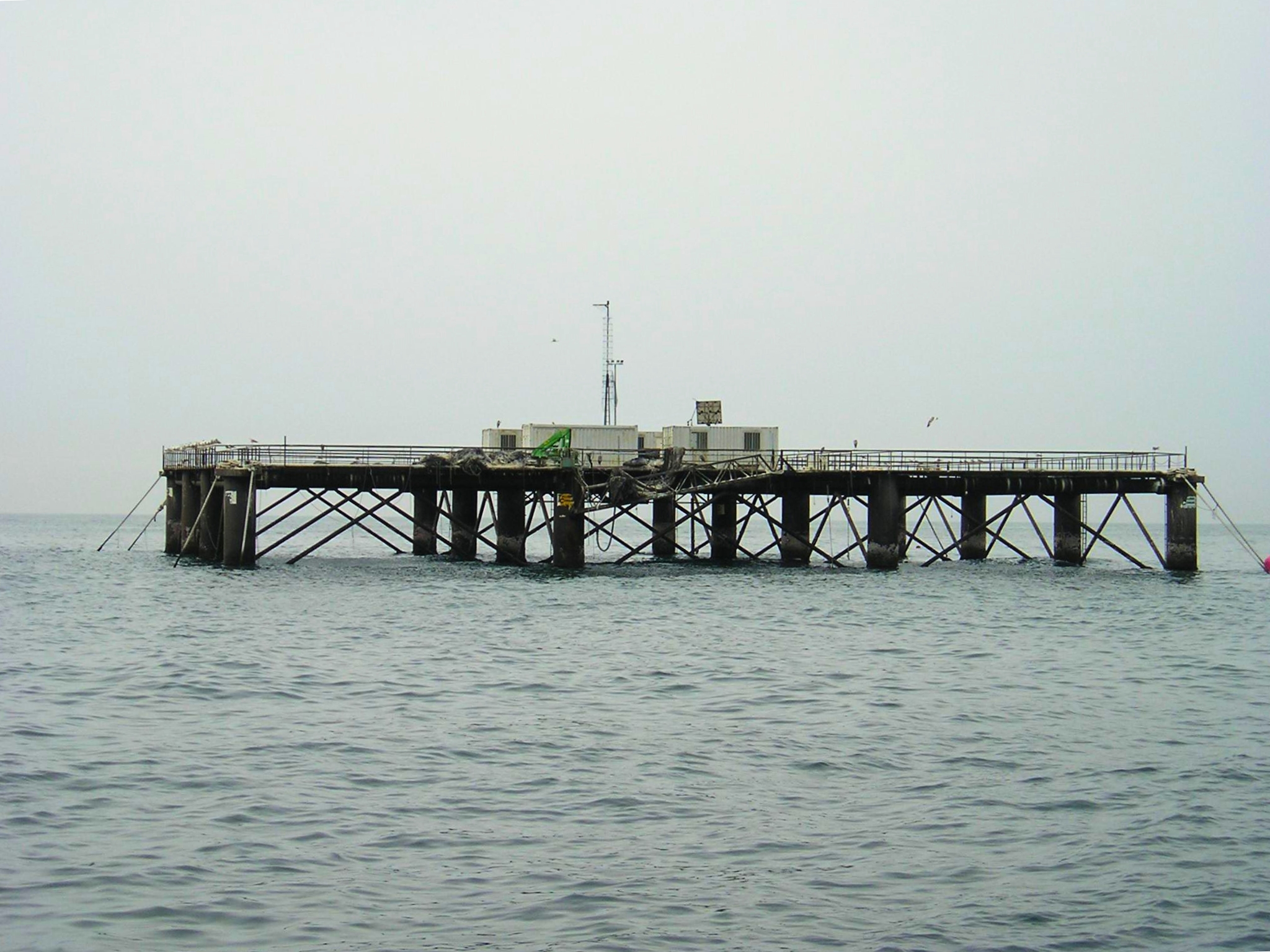
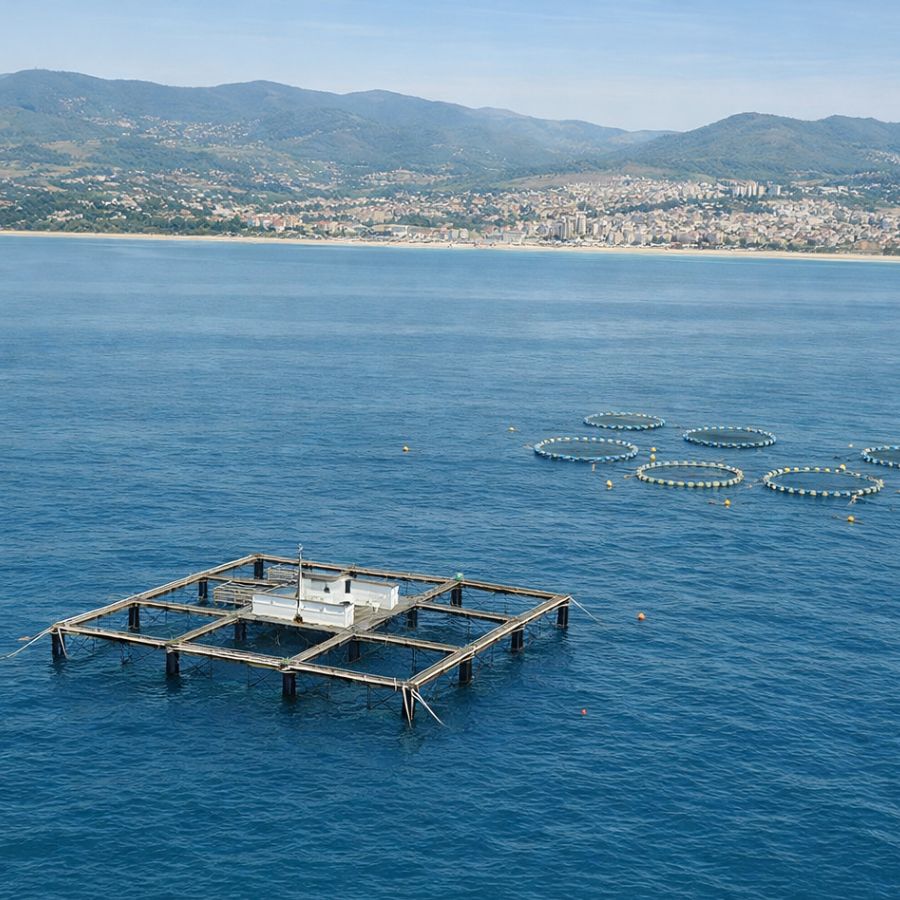
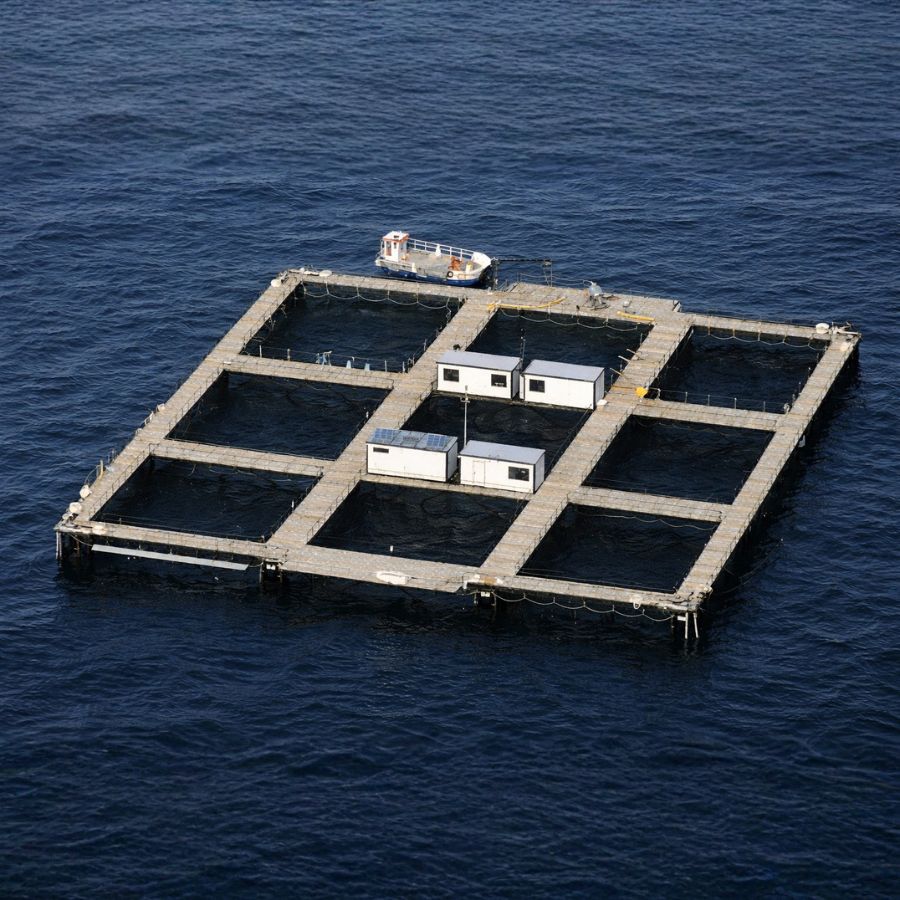
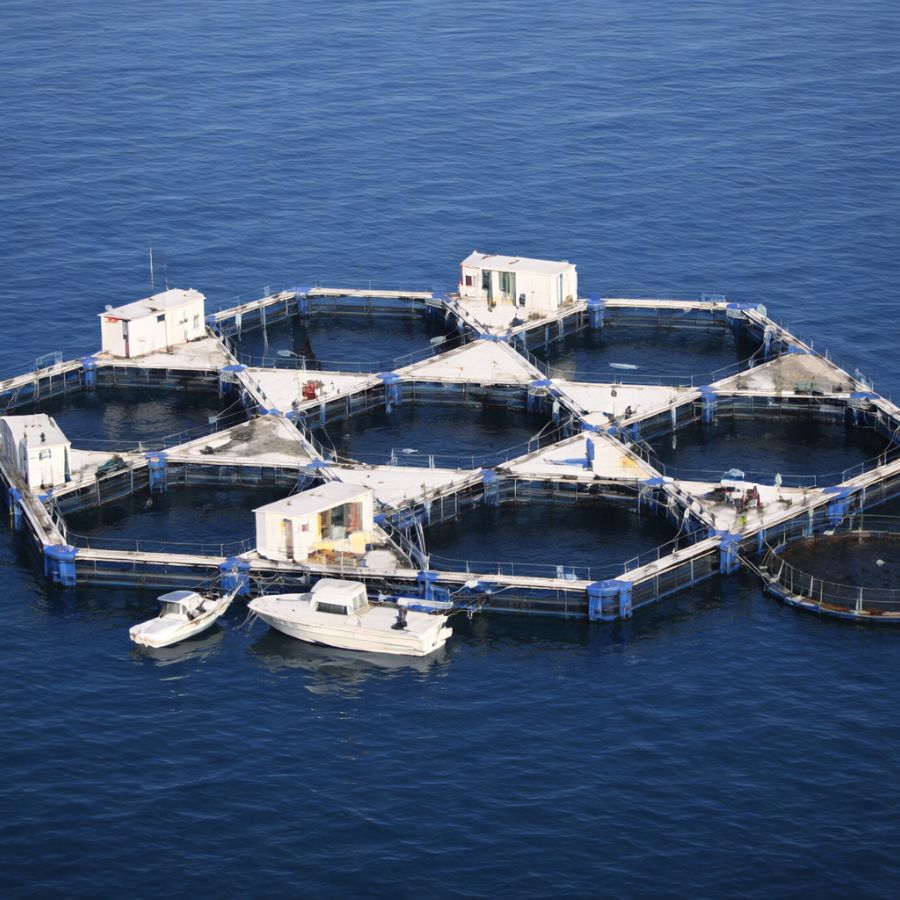
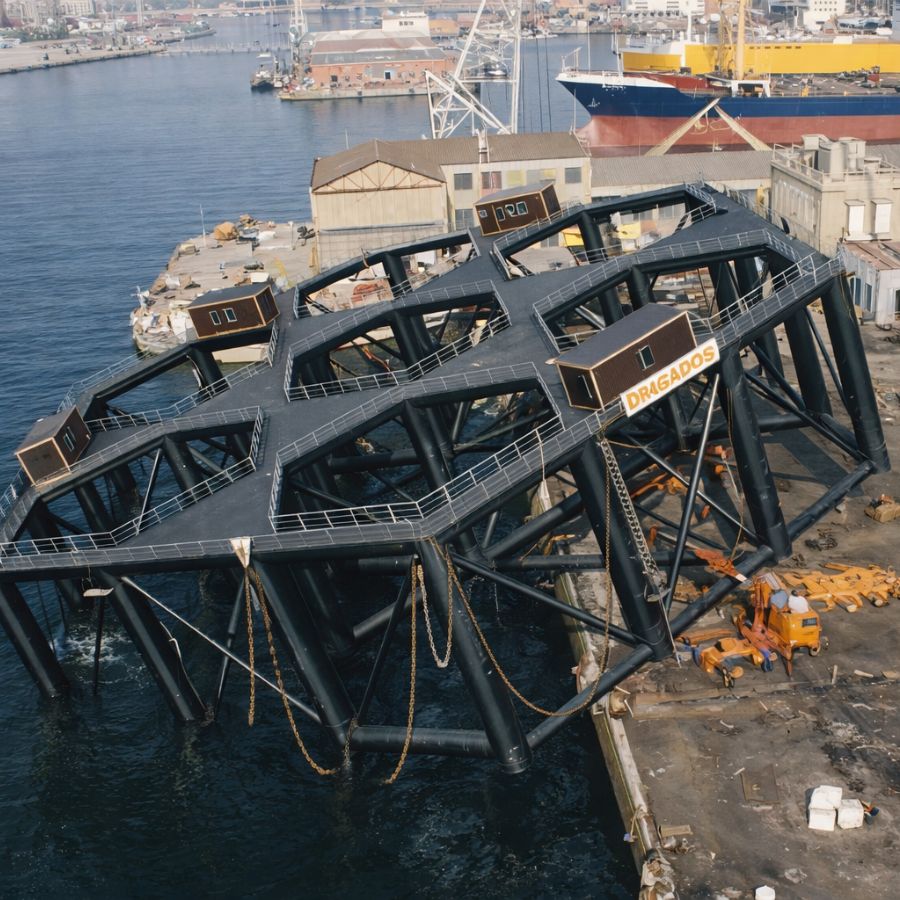
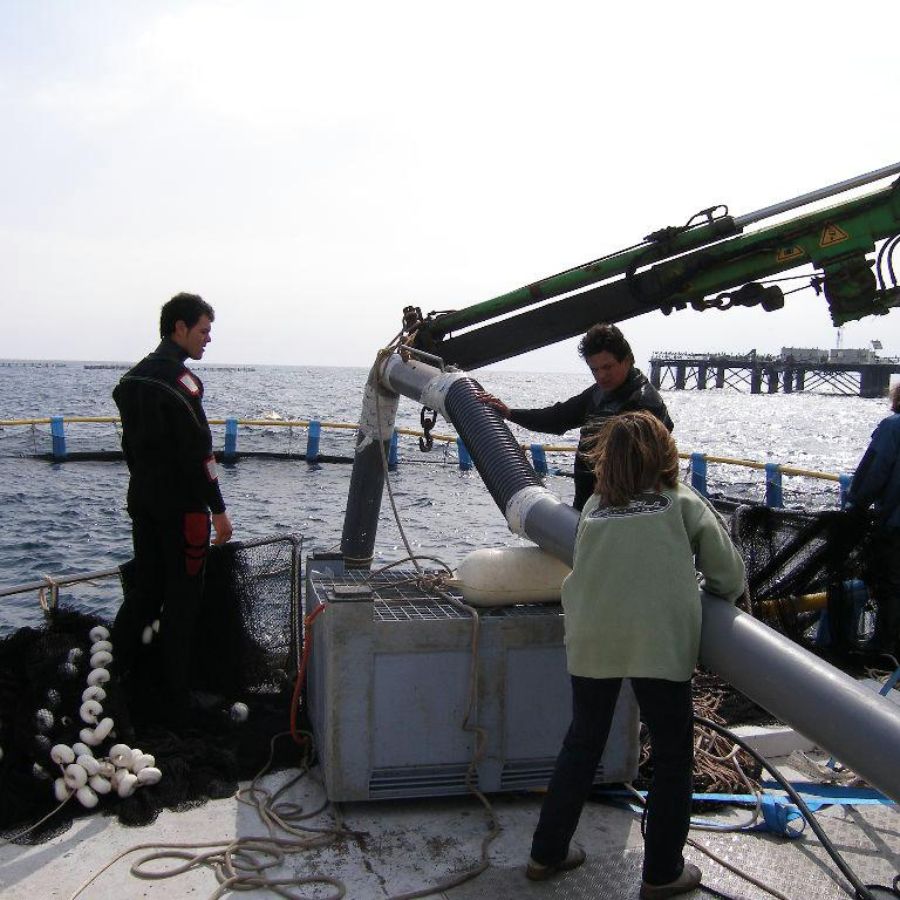
Offshore platforms are designed to provide logistical and operational support to facilities located far from the coast, particularly in the open-sea aquaculture sector. Their design allows for the centralization of equipment, personnel, and services in a single location, facilitating the smooth running of operations.

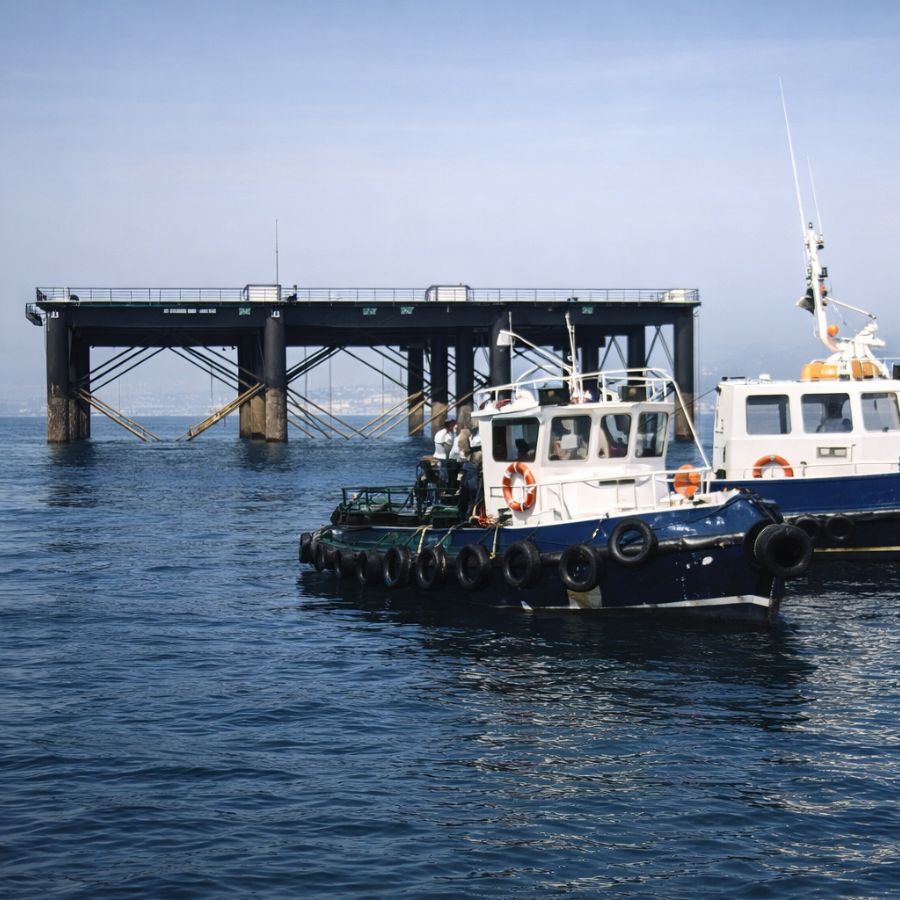
These floating facilities are designed to operate under demanding conditions, providing stability, autonomy, and efficiency in environments where there are no nearby port alternatives.

Offshore Platforms

Main function

To provide a stable, operational floating platform in the open sea that centralizes services, operations, and maintenance, thereby reducing reliance on onshore infrastructure.

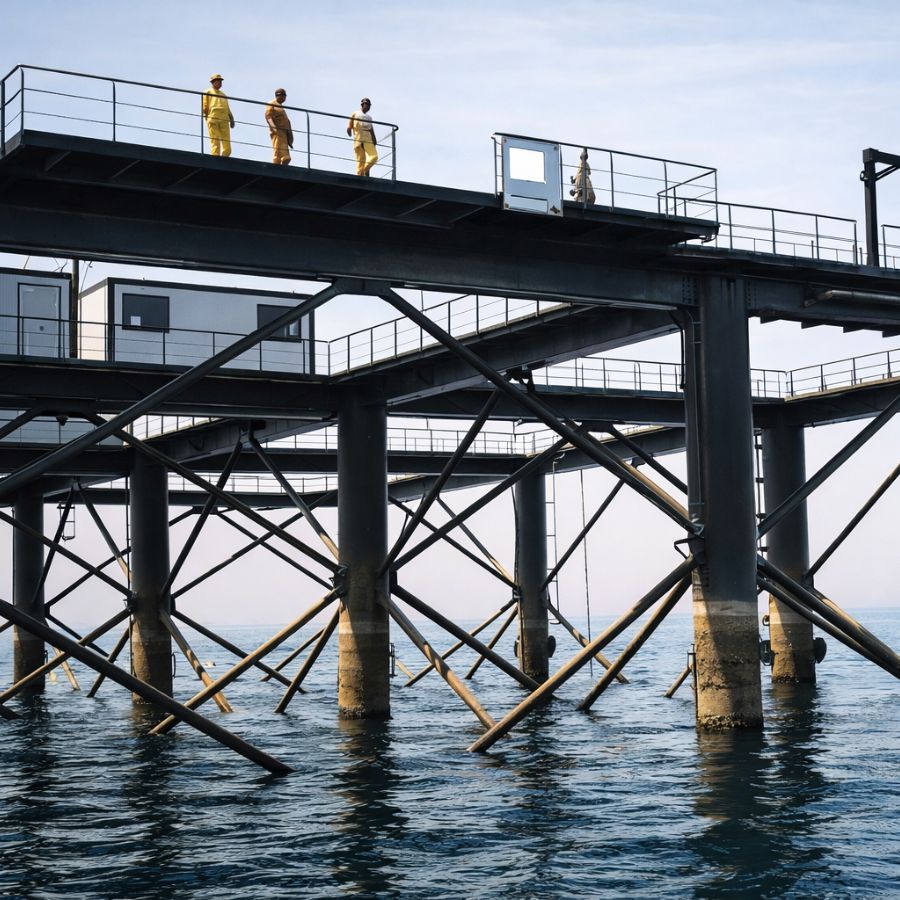
Offshore platforms are designed as permanent floating structures capable of operating in harsh open-sea conditions. They serve as logistics hubs where equipment, personnel, storage facilities, and the technical systems necessary for the continuous operation of offshore installations are concentrated.

Its design optimizes daily operations, minimizes trips to port, and ensures greater operational autonomy, especially in areas without nearby natural shelter.

These solutions are designed for projects that require continuous support in open waters:

  • Offshore aquaculture, serving as a base of operations for marine farms located far from the coast.
  • Floating technical platforms for facility maintenance, control, and monitoring.
  • Support for energy infrastructure (offshore wind, experimental projects, etc.) and research projects.

Offshore platforms are designed to operate in demanding environments where there is no nearby infrastructure:

  • Suitable for open-water areas with direct exposure to waves, wind, and currents.
  • They require a specific structural design based on environmental conditions and operational loads.
  • They require appropriate mooring systems (anchor-based or combined) sized according to depth, wave conditions, and location.
  • Advance planning of logistics, access routes, and the self-sufficiency of utilities (electricity, water, and communications).

  • Centralization of offshore operations, improving operational efficiency.
  • Significant reduction in logistics costs and travel time from the port.
  • Greater autonomy and operational continuity at offshore facilities.
  • Ability to operate in areas without natural shelter or nearby port infrastructure.
  • Flexibility to adapt to different uses and technical configurations.

Request a technical study of offshore platforms