Effective protection in semi-exposed waters

Floating Breakwaters

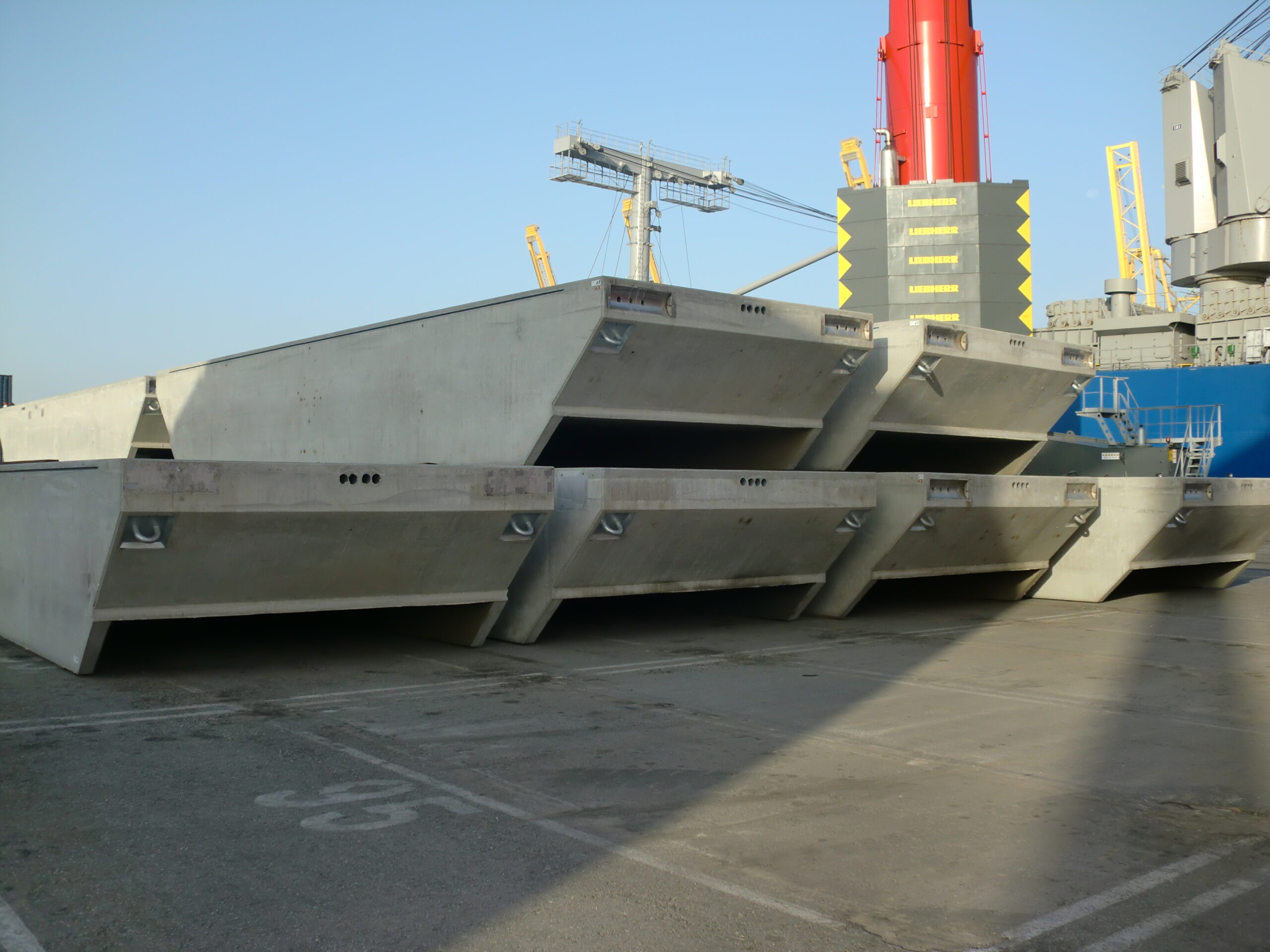
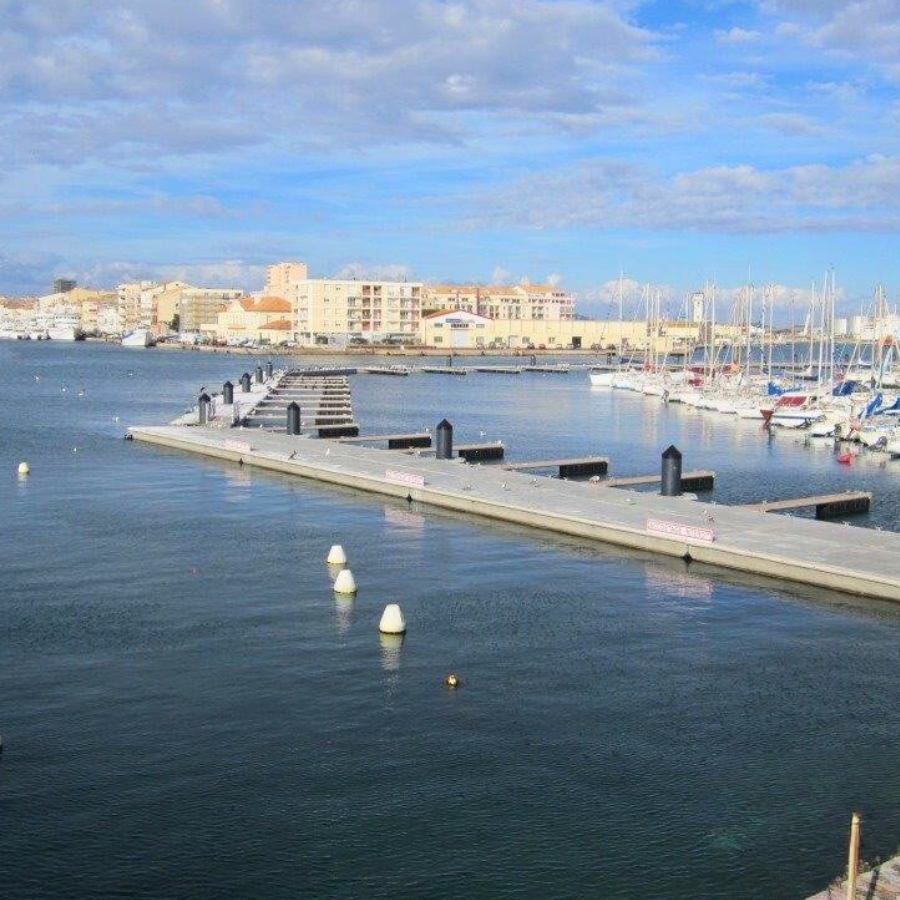
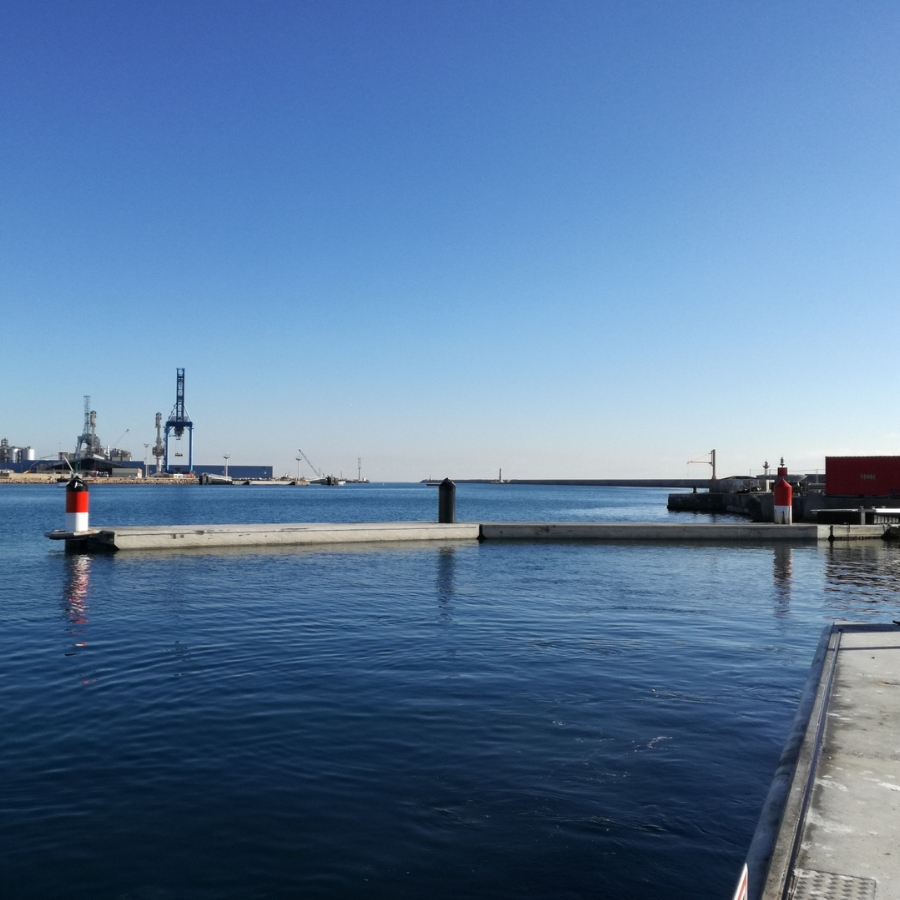
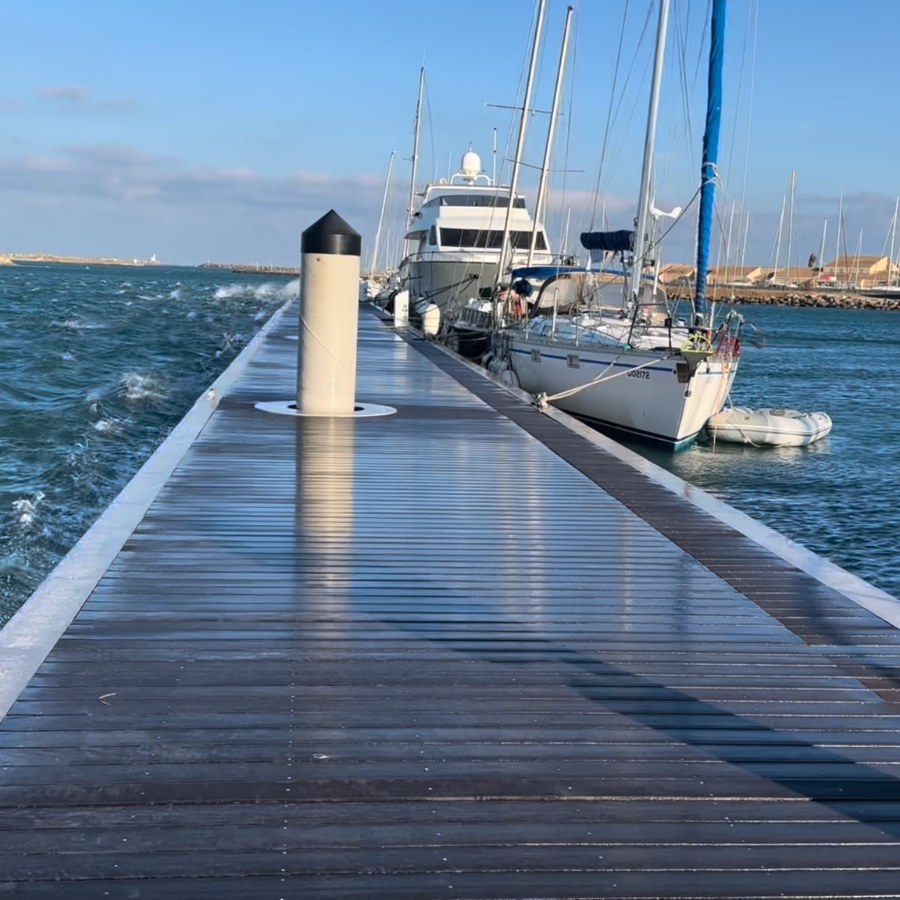
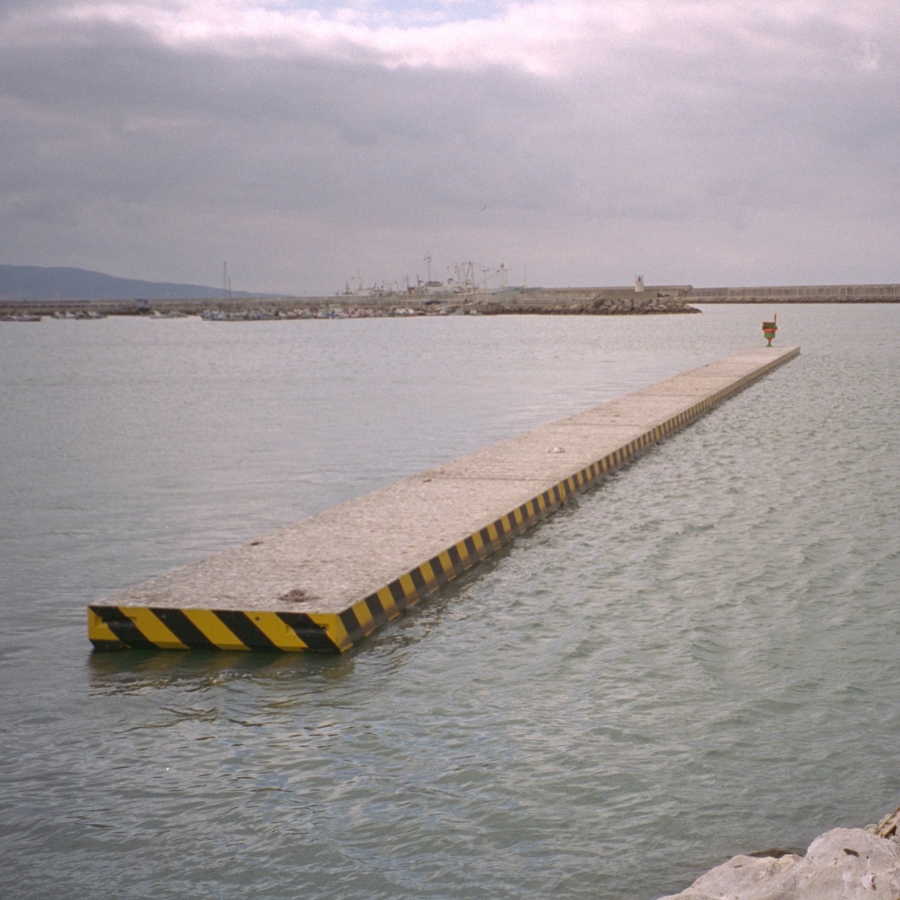
Floating breakwaters are used to protect semi-exposed water bodies, both in port and natural environments, where waves are generated primarily by wind or maritime traffic, rather than by direct open-sea swells.
Because they are floating structures, they allow the natural dynamics of currents and sediment transport to be maintained, thereby preventing significant alterations to the marine environment.
Floating breakwaters are used to protect semi-exposed bodies of water, both in port and natural environments, where waves are generated primarily by wind or maritime traffic, rather than by direct open-sea swells.

Main function

To reduce short-period waves in port areas or semi-protected waters.

The primary function of a floating breakwater is to attenuate short-period waves, thereby reducing internal turbulence and improving operating conditions in harbors, marinas, and sheltered areas.

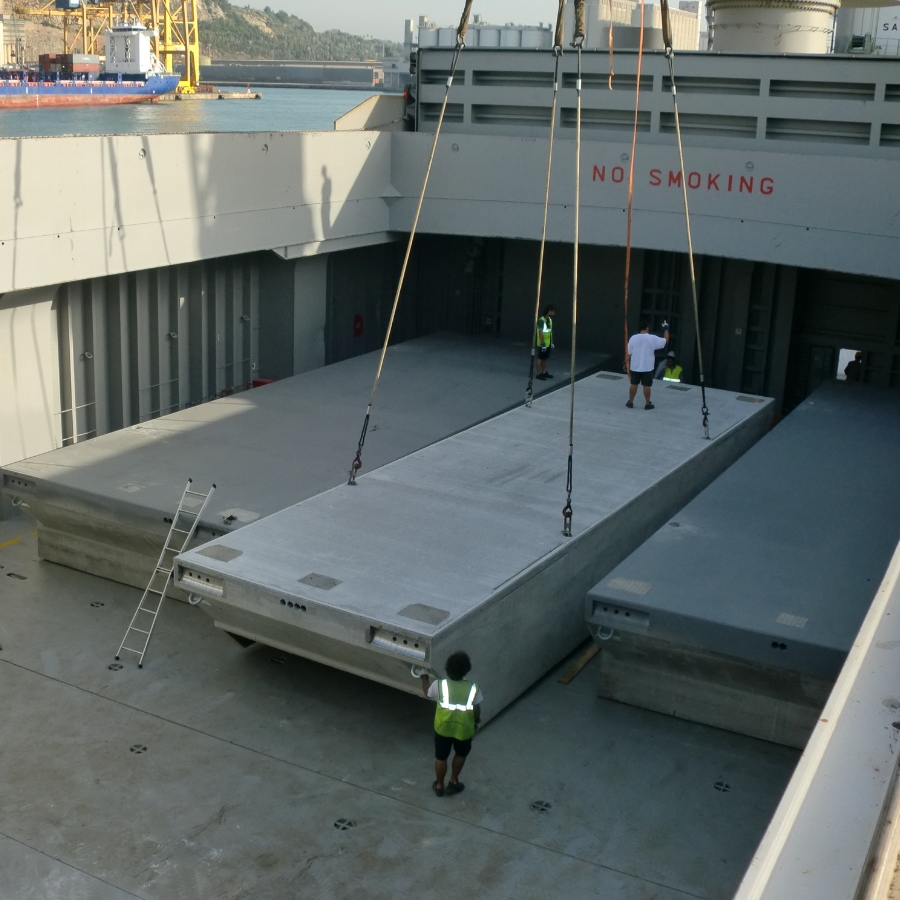
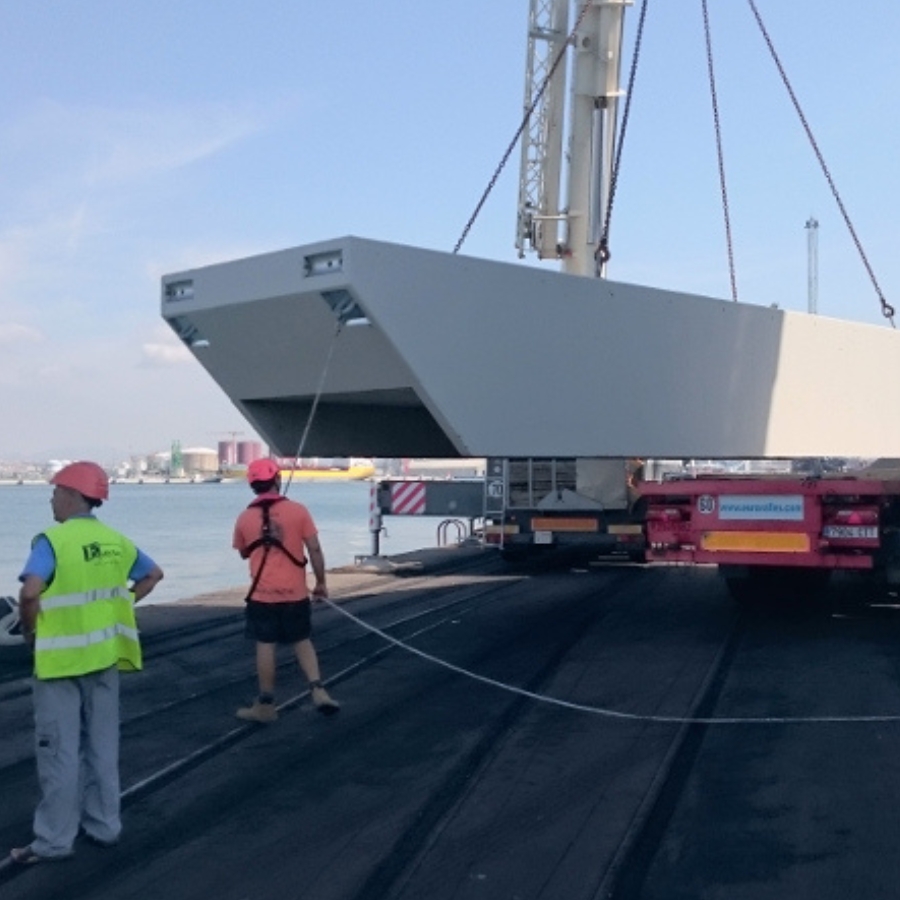
The modules can be installed using various mounting systems:

  • Anchoring with chains
  • Elastic mooring systems
  • Guided by piles

System maintenance focuses primarily on monitoring the mounting system and the connections between modules.

  • Protection of marinas
  • Fishing harbors and shelters
  • Semi-sheltered harbor basins
  • Protection of floating structures
  • Floating solar power plants on reservoirs

  • Suitable for areas not directly exposed to open-ocean waves
  • They require a mooring system sized according to wave height and depth
  • They require regular inspections of the mooring system and connections

  • Reduction of internal turbulence caused by wind and maritime traffic
  • Preservation of natural sedimentary dynamics
  • Adaptation to different mooring systems depending on the location
  • Maintenance needs focused on accessible features

Request a technical study on floating breakwaters