Energy-absorbing systems for securing floating structures
In the design of floating infrastructure, one of the most critical aspects is thesystem used to secure or moor the structures.
Floating platforms are constantly subjected to dynamic forces generated by:
- waves
- wind
- current
- tidal variations
- operational loads
Properly managing these forces is essential to ensuring the stability, durability, and safety of the infrastructure.
The Importance of Energy Absorption Systems
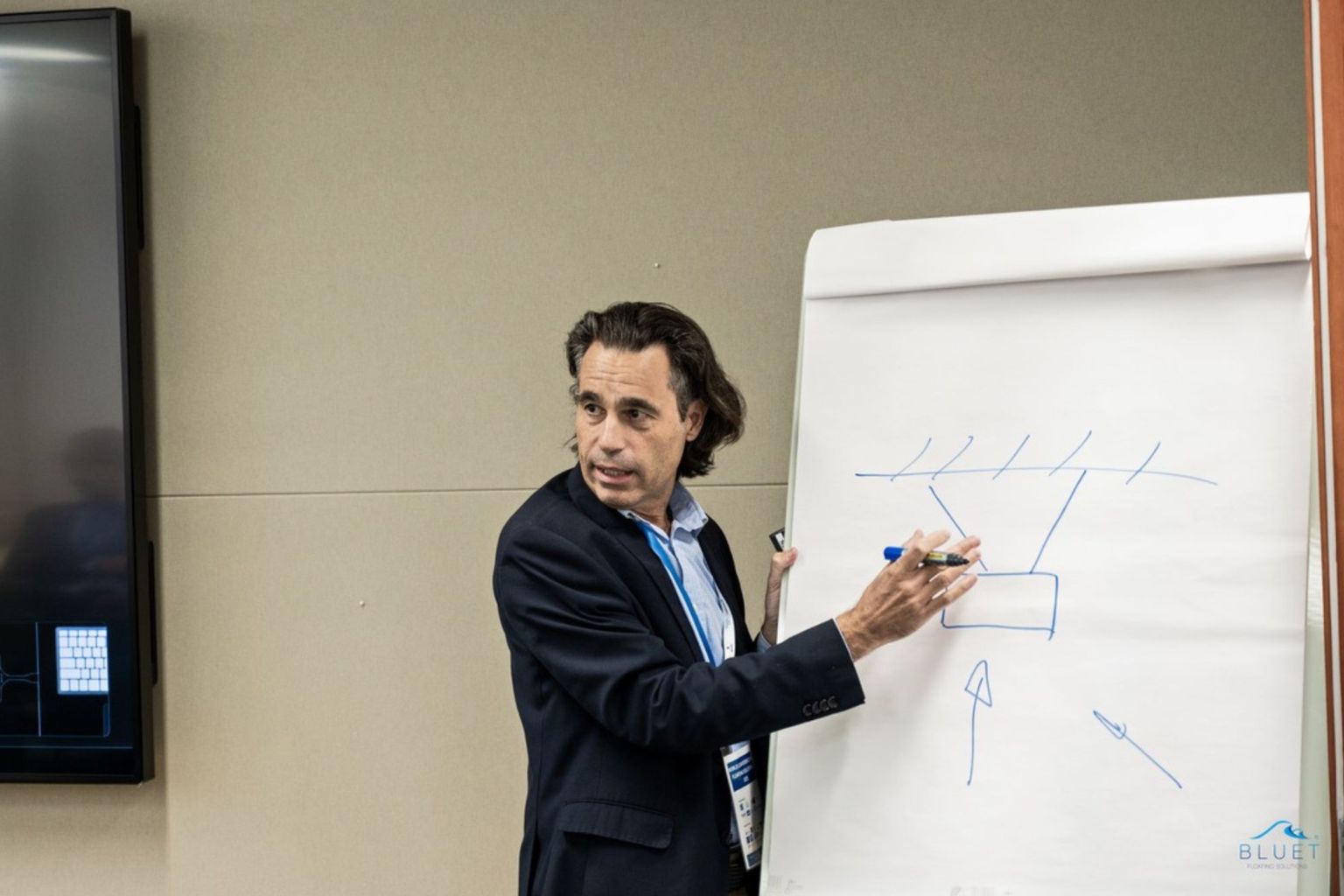
Fastening systems must not only hold the structure in place, but alsoabsorb and dissipate the energy generated by dynamic loads.
To achieve this, various technical solutions are used, which may be combined:
- elastic elements
- suspension systems
- hinged joints
- flexible or rigid mooring configurations
The goal is to prevent excessive loads from being directly transmitted to the floating structure and the mooring components.
Comparison of Rigid and Flexible Systems
Depending on the type of infrastructure and the marine environment, different design approaches can be used.
Rigid systems
- greater geometric control
- less relative movement
- greater structural demands
Flexible systems
- better energy absorption
- greater ability to handle rough seas
- reduced transmission of extreme loads
The right choice always depends on the specific context of the project: depth, tidal patterns, seabed type, and wave conditions.
Experience-based engineering
The design of these systems cannot be based solely on theoretical calculations. The experience gained from actual projects is essential to understanding how structures behave over the long term.
At MSI, we draw on more than30 years of experience in marine engineeringto develop solutions tailored to each site, taking into account both the technical parameters and the operating conditions of each facility.